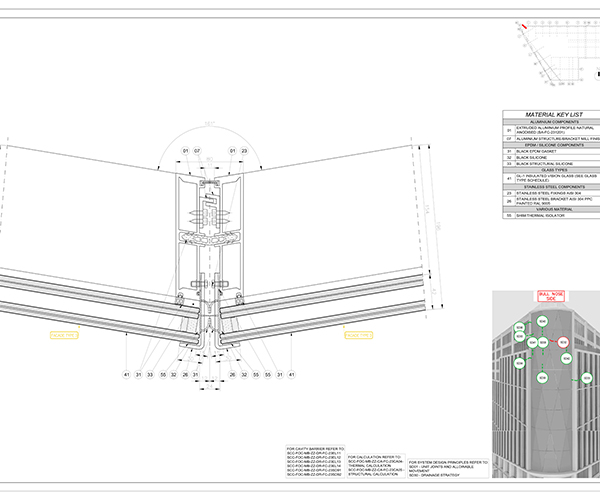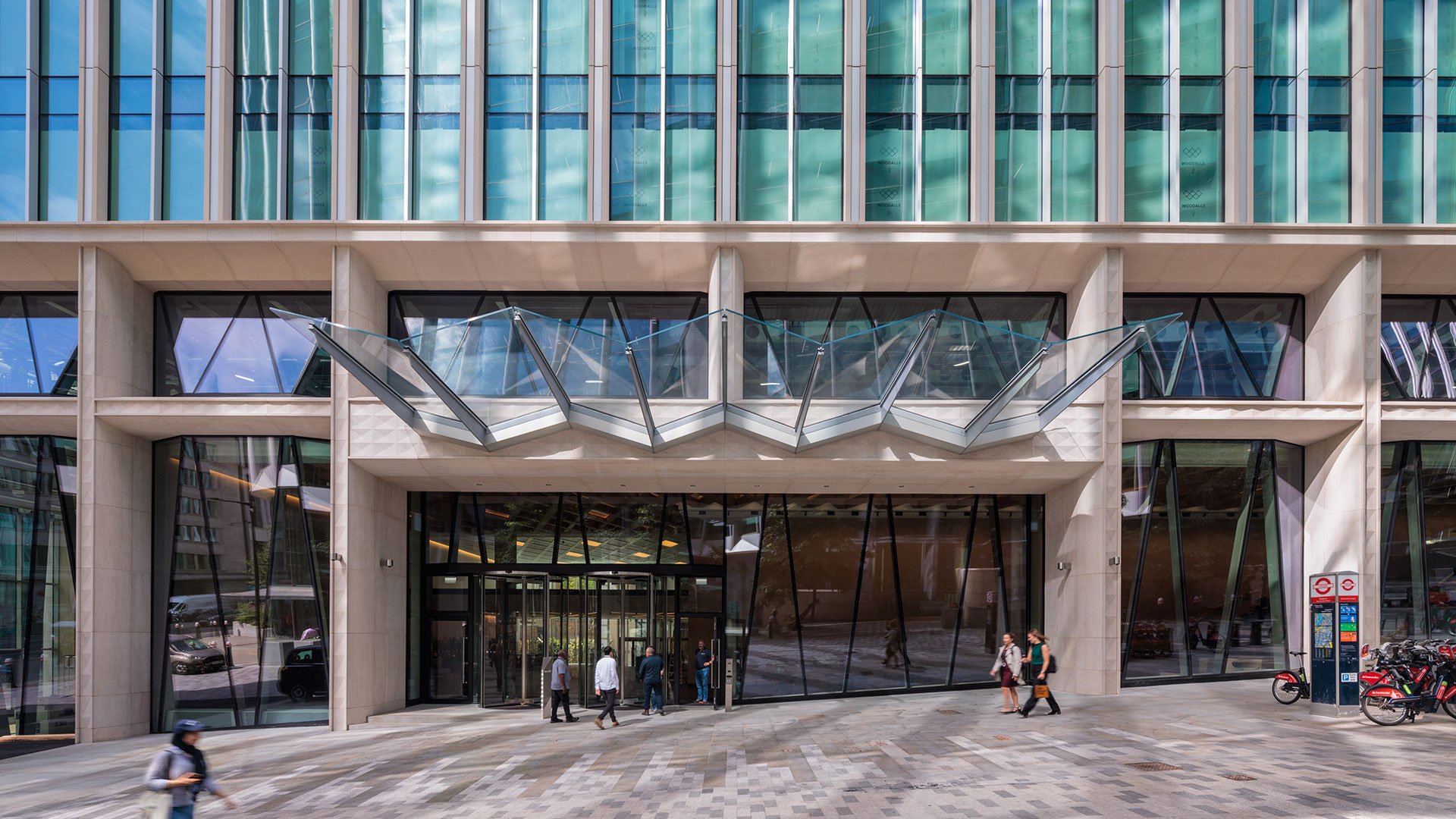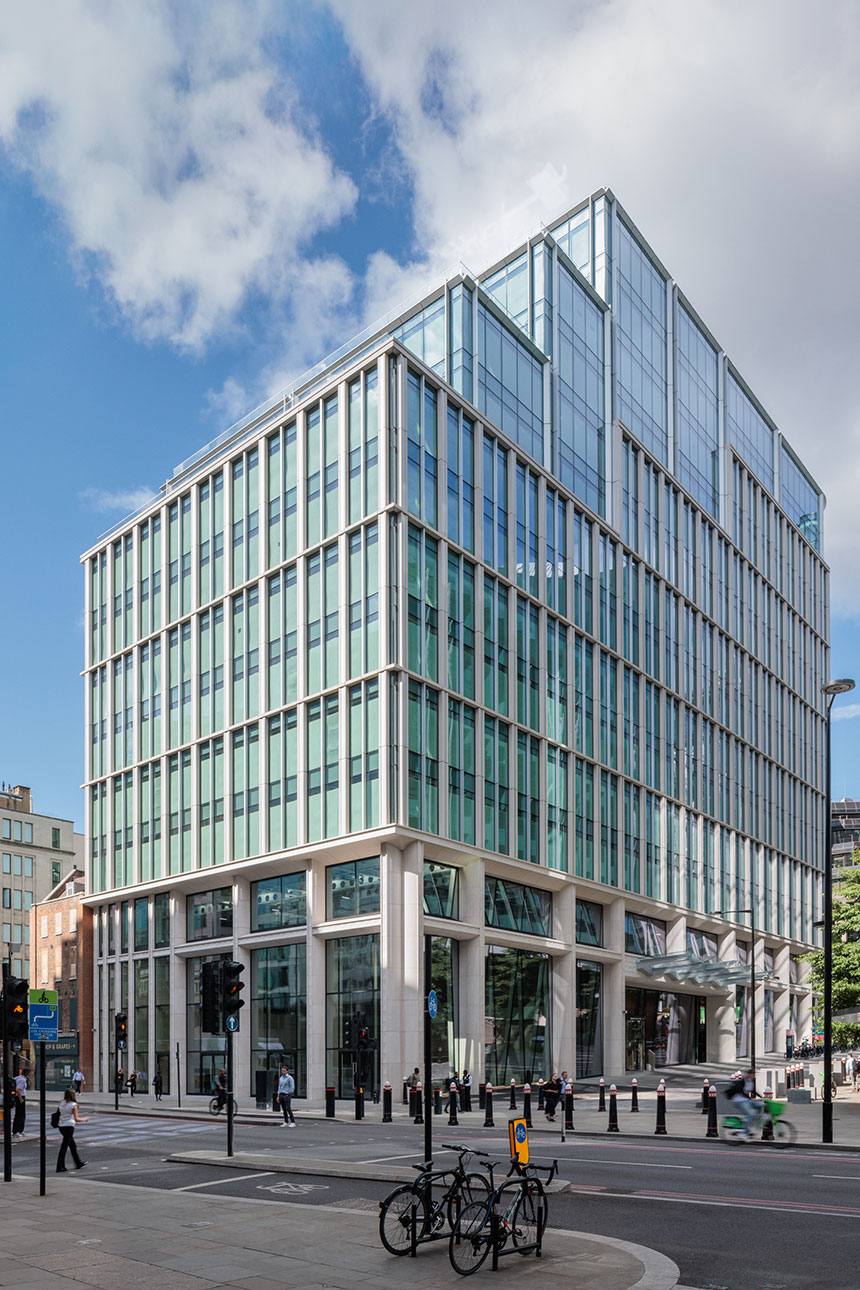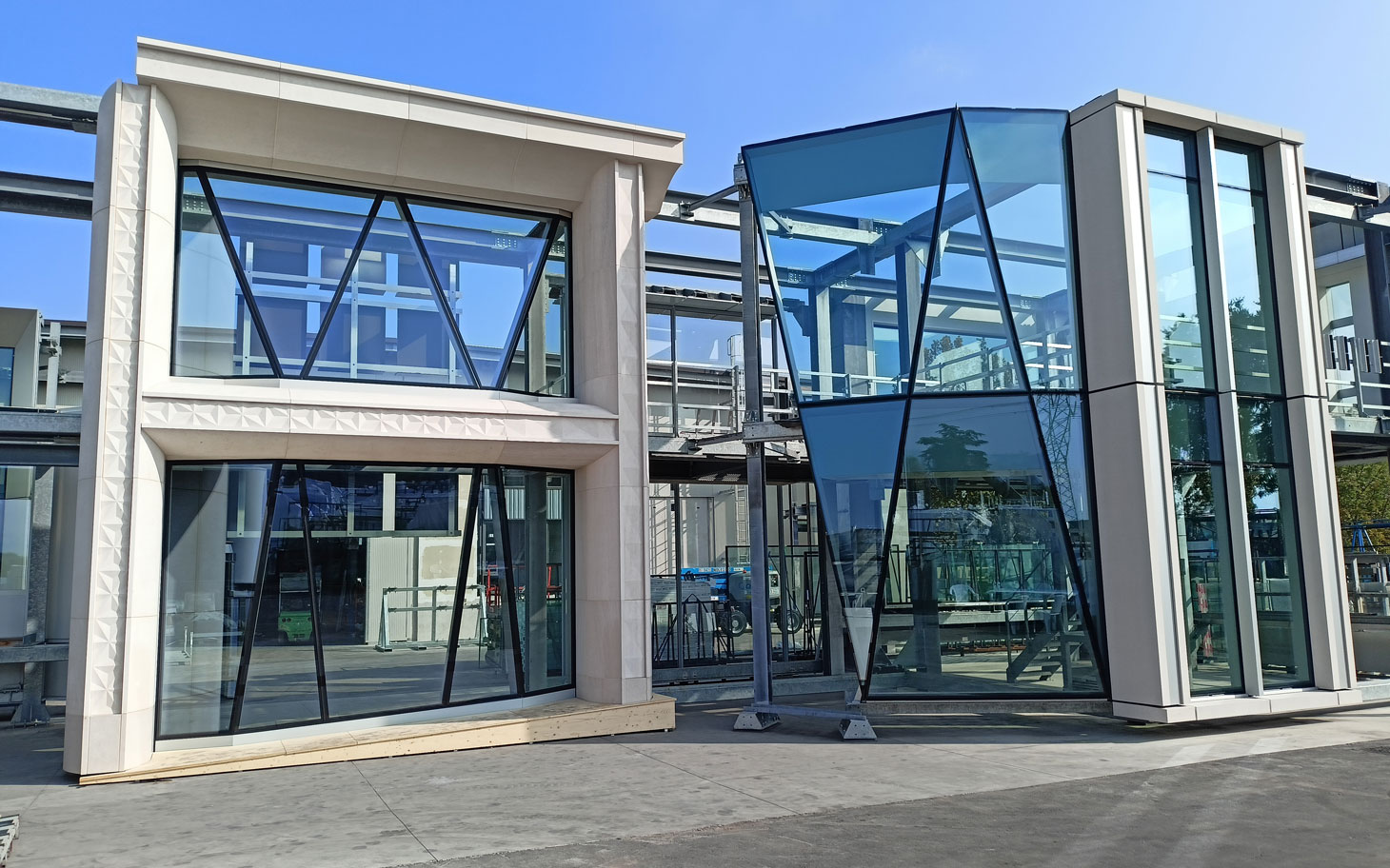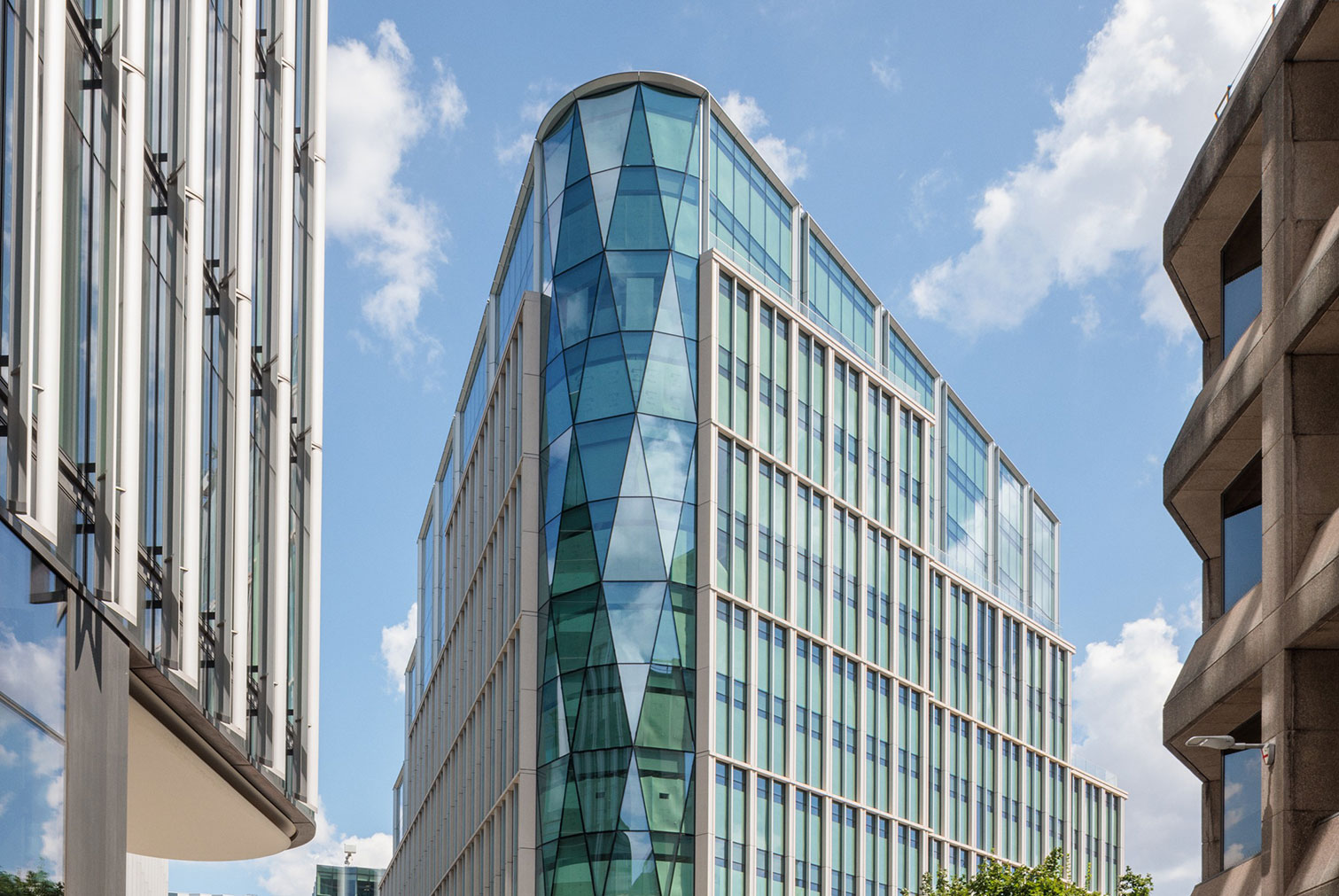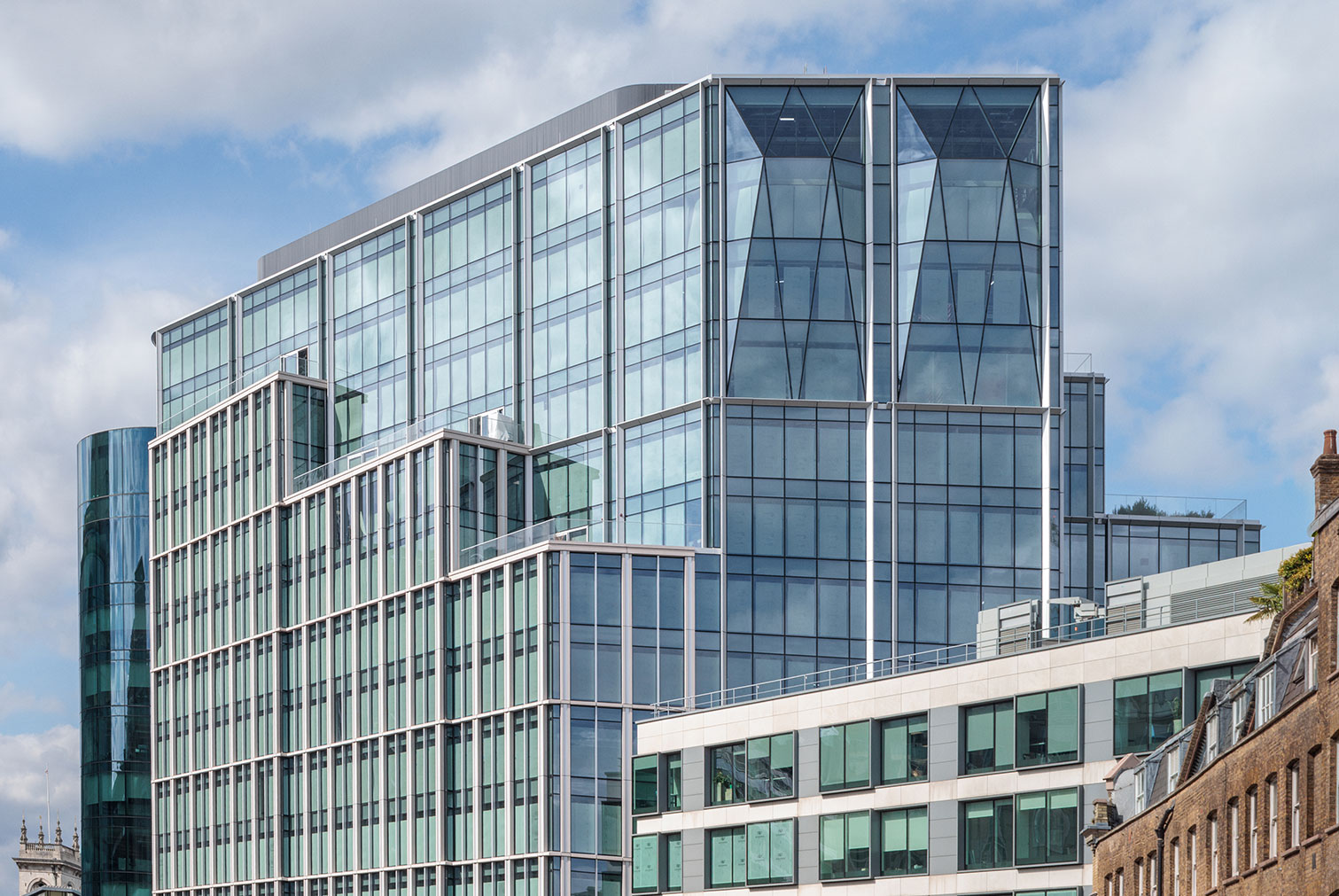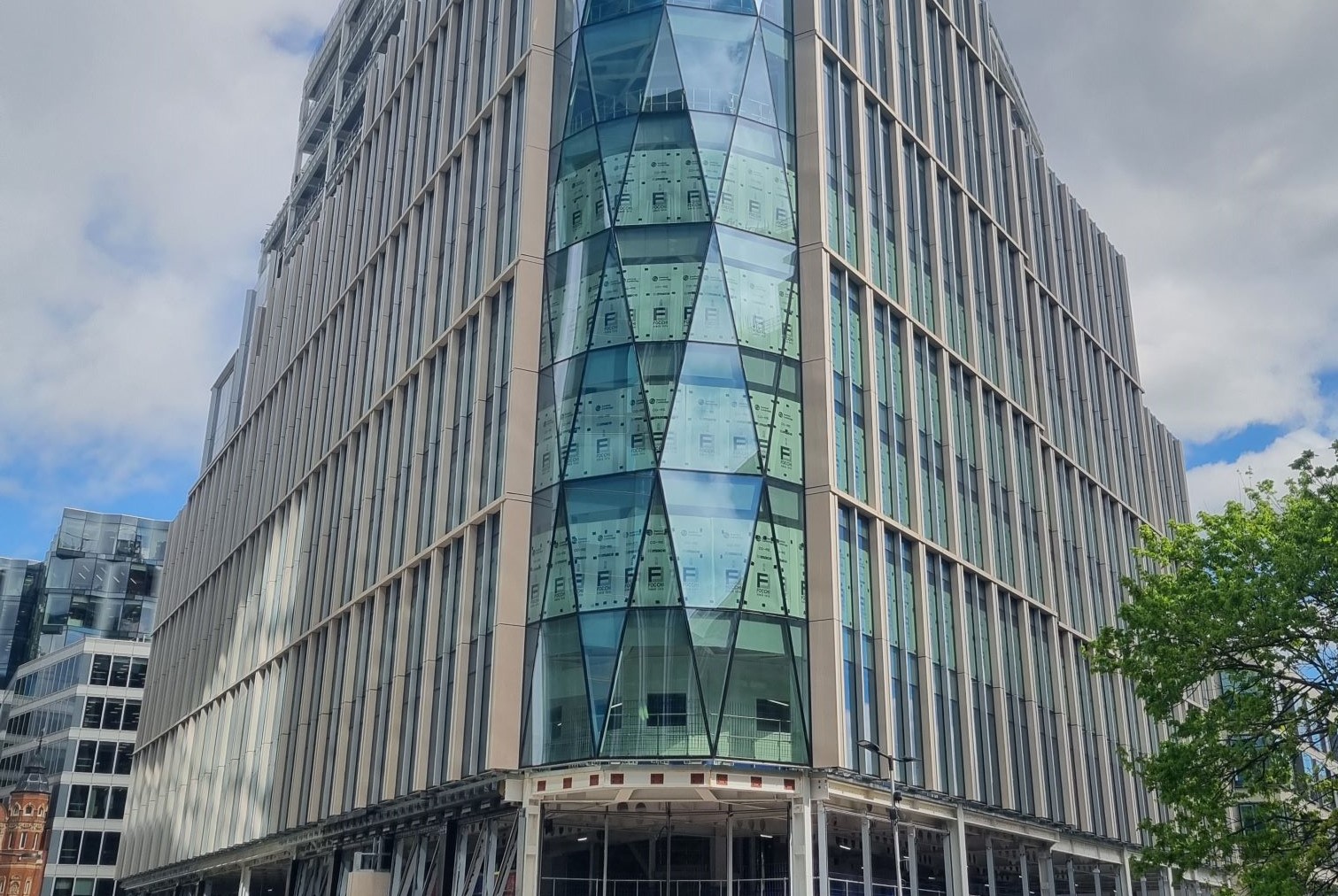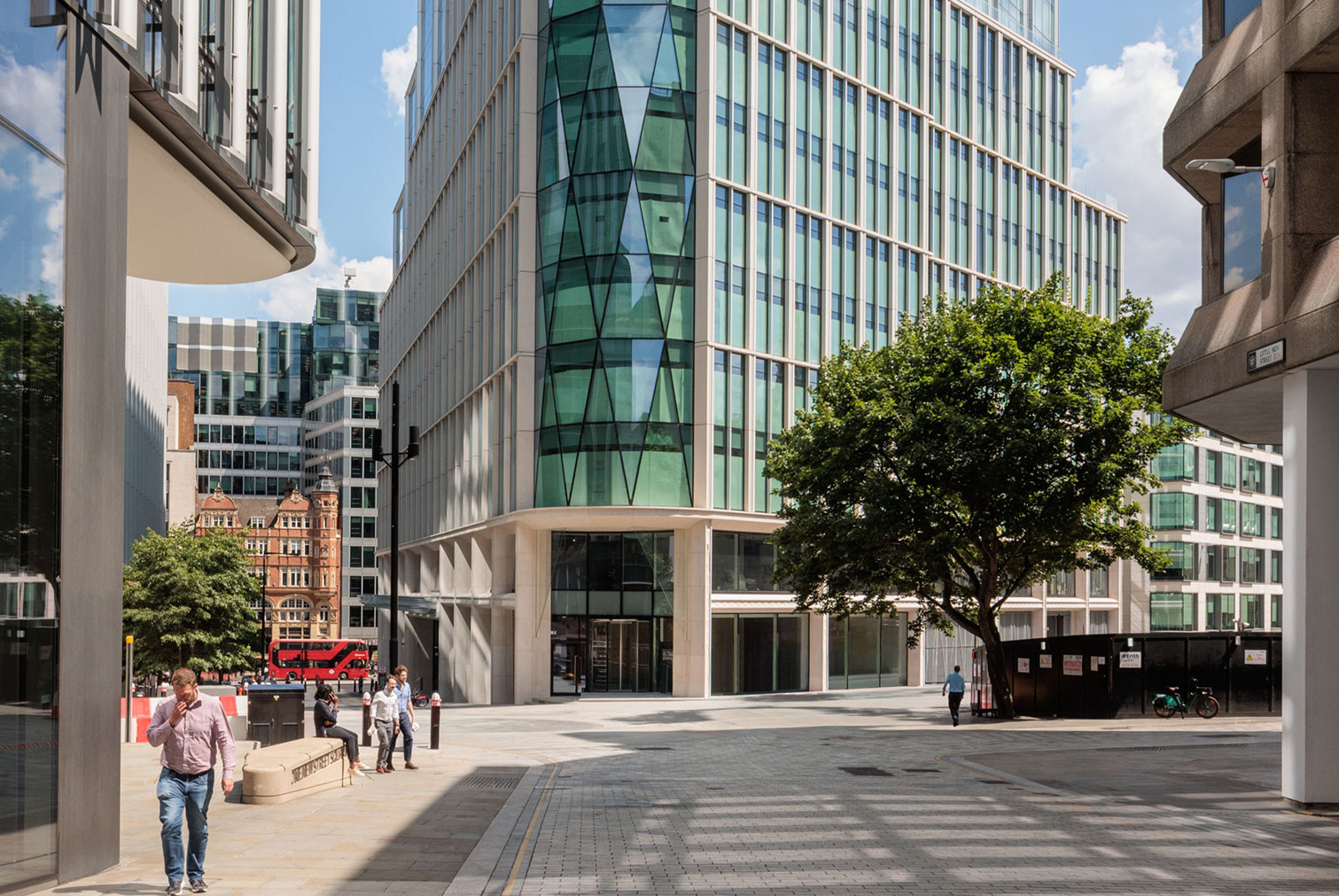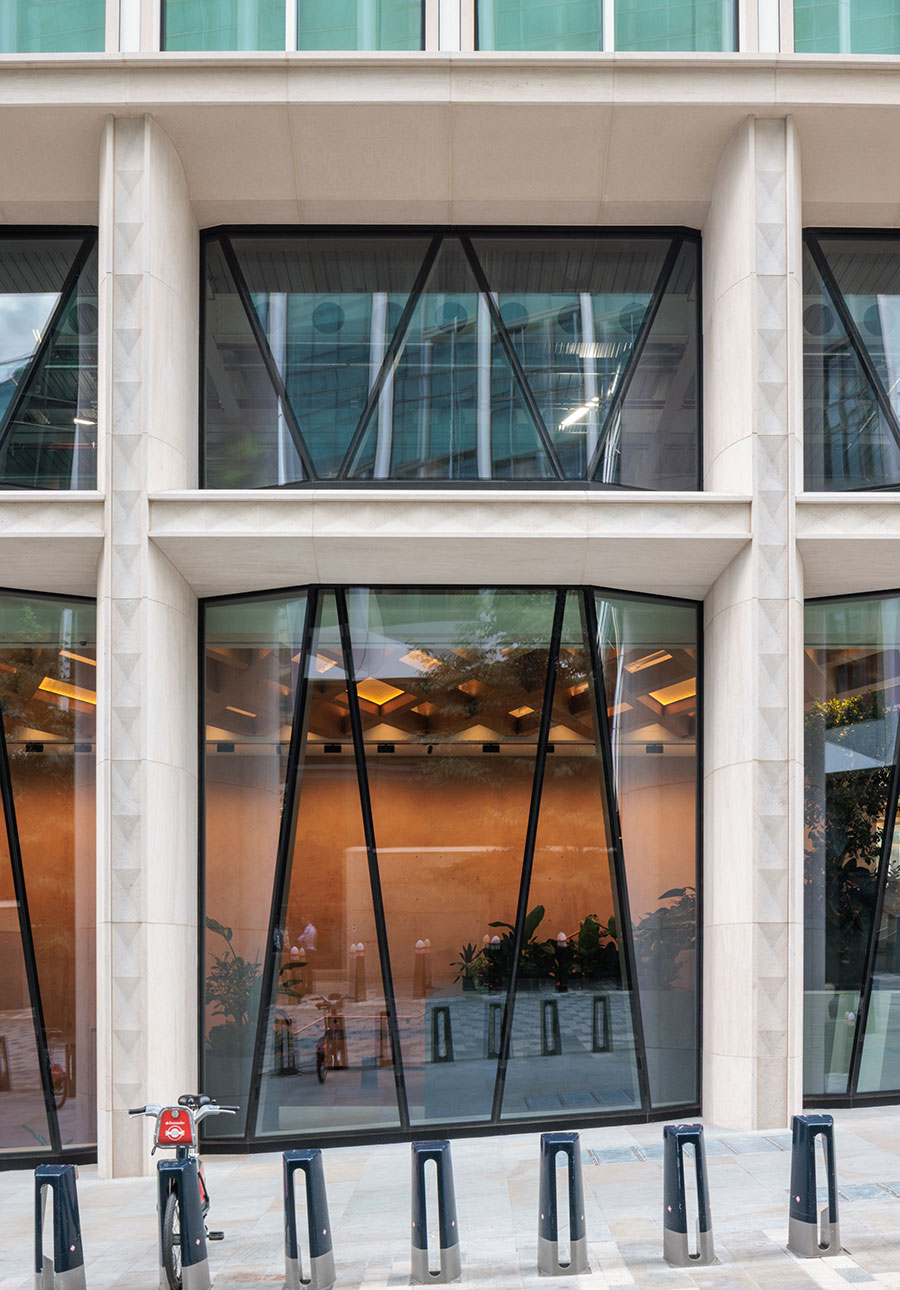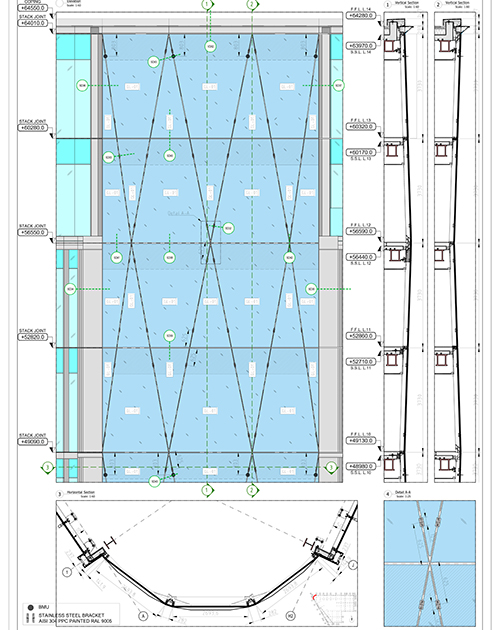
To achieve this strict geometry, each façade component is bespoke designed according to the specific directions of each unit. This results in differing aluminium extrusion profiles and gaskets for each joint, even within a single unit. The glass panels, in addition to being cut into precise triangular or trapezoidal shapes, are staggered between the inner and outer panes to reduce joint width and maximise the glazed surface area.
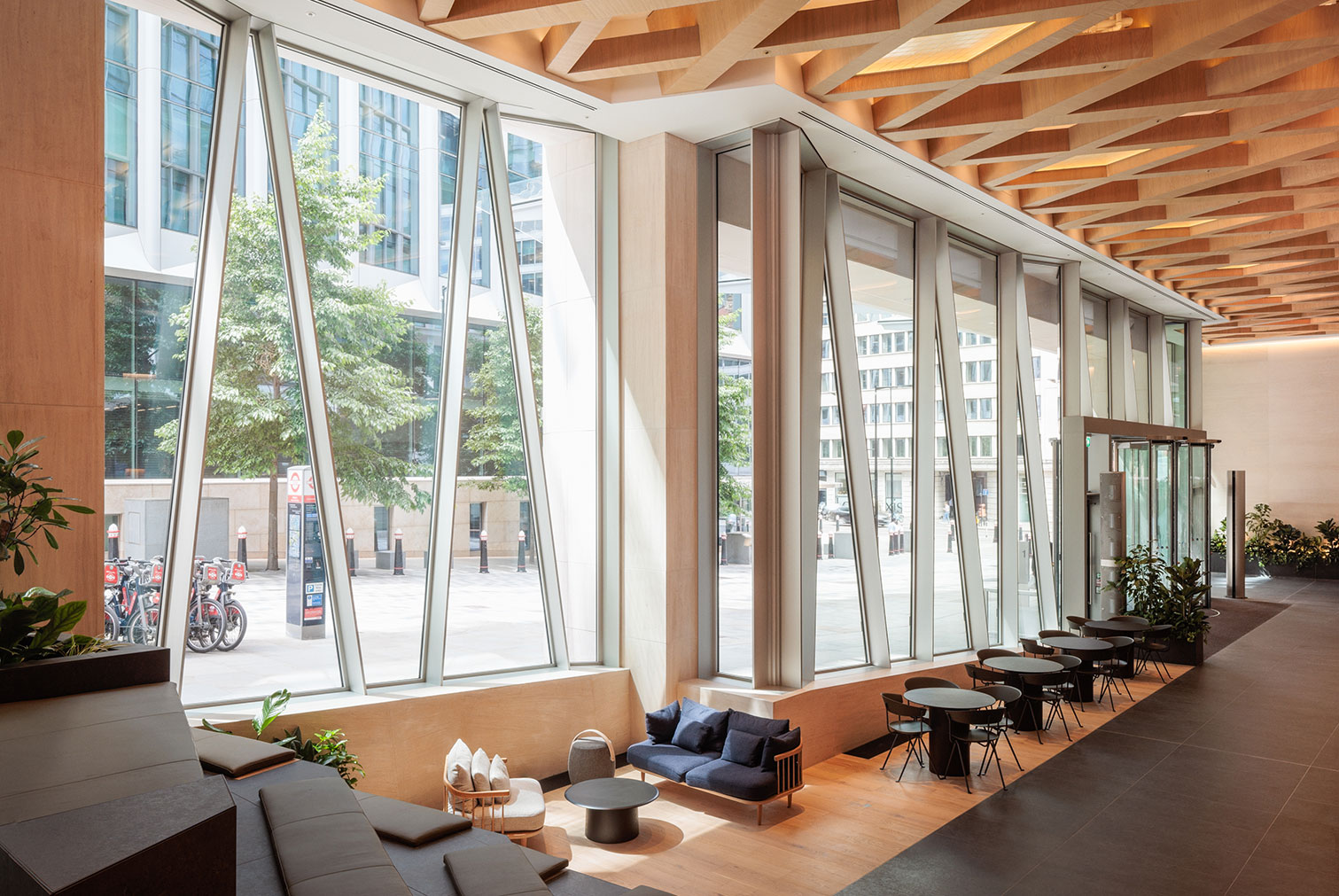
The choice of spandrel cladding, interior finishes and ceiling design was coordinated with the architect and client to ensure adequate heat dissipation from the glazing, avoiding thermal shock, especially on sun-facing inclined panes and, thereby, minimising the need for additional glass treatments, preserving maximum transparency.
The two main challenges of this façade were the design of the gaskets - with special vulcanised components welded at the triangular joints to reduce potential weak points - and the development of a dedicated installation method. This included a predefined sequence for each unit and a bespoke bracket system designed to allow adjustments in all directions while maintaining the correct inclination. Special brackets were developed to suit triangular or trapezoidal cells accordingly.