Main Façade Technology
Domino Sugar Refinery

Lorem ipsum dolor sit amet, consectetur adipiscing elit, sed do eiusmod tempor incididunt ut labore et dolore magna aliqua.

Ut enim ad minim veniam, quis nostrud exercitation ullamco laboris nisi ut aliquip ex ea commodo consequat. Duis aute irure dolor in reprehenderit in voluptate velit esse cillum dolore eu fugiat nulla pariatur.

Domino Sugar Refinery

Lorem ipsum dolor sit amet, consectetur adipiscing elit, sed do eiusmod tempor incididunt ut labore et dolore magna aliqua.

Ut enim ad minim veniam, quis nostrud exercitation ullamco laboris nisi ut aliquip ex ea commodo consequat. Duis aute irure dolor in reprehenderit in voluptate velit esse cillum dolore eu fugiat nulla pariatur.

Domino Sugar Refinery

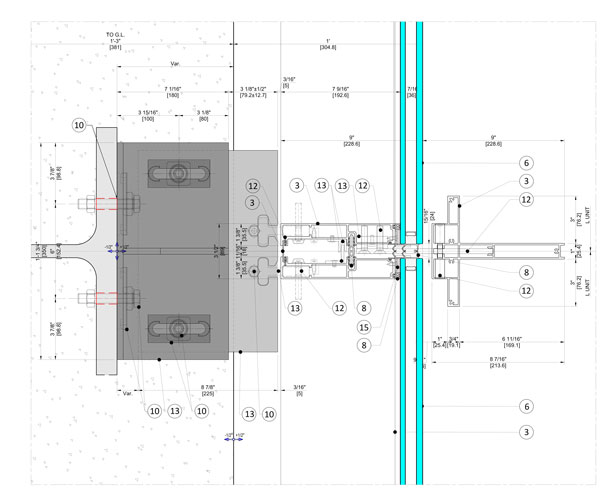
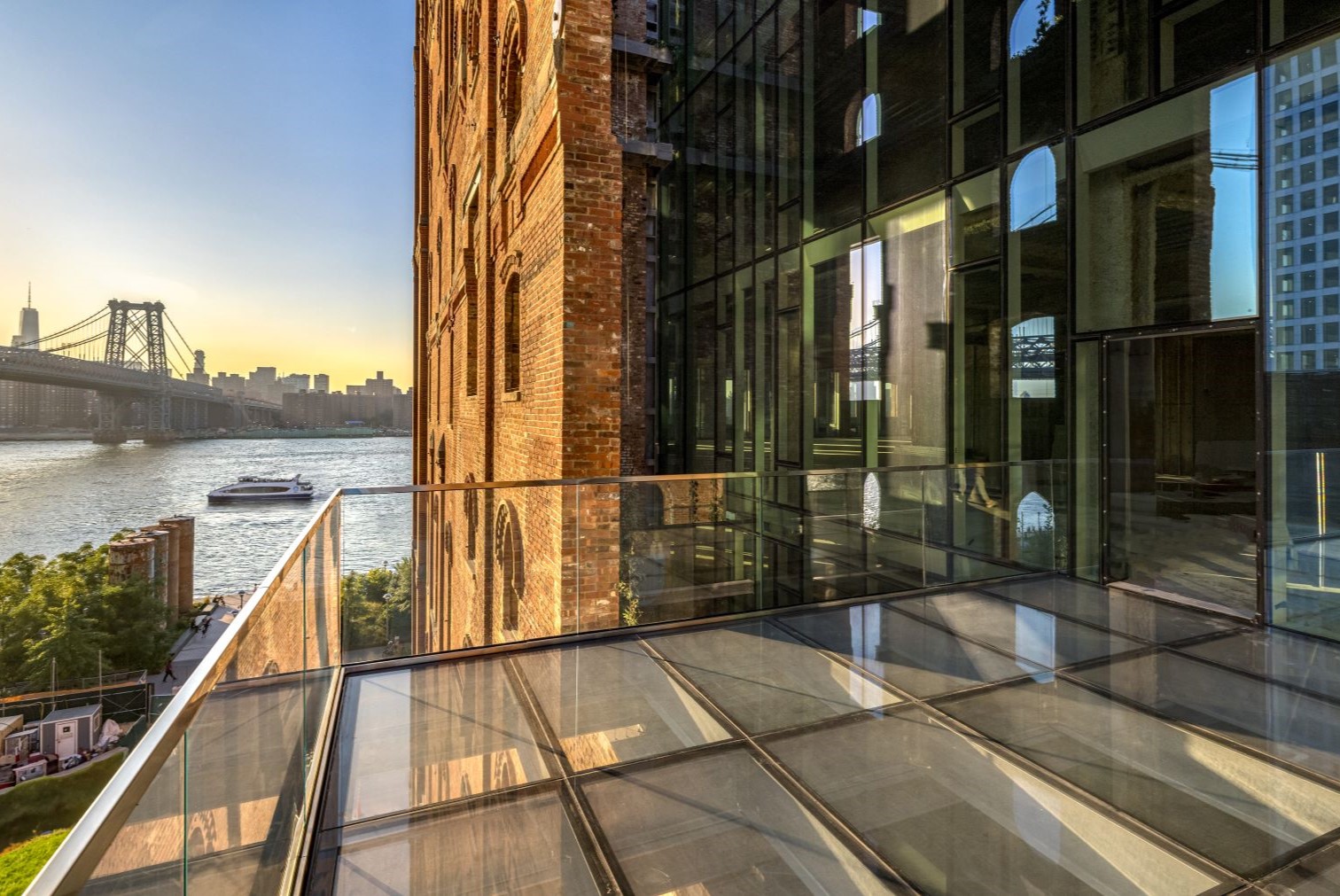
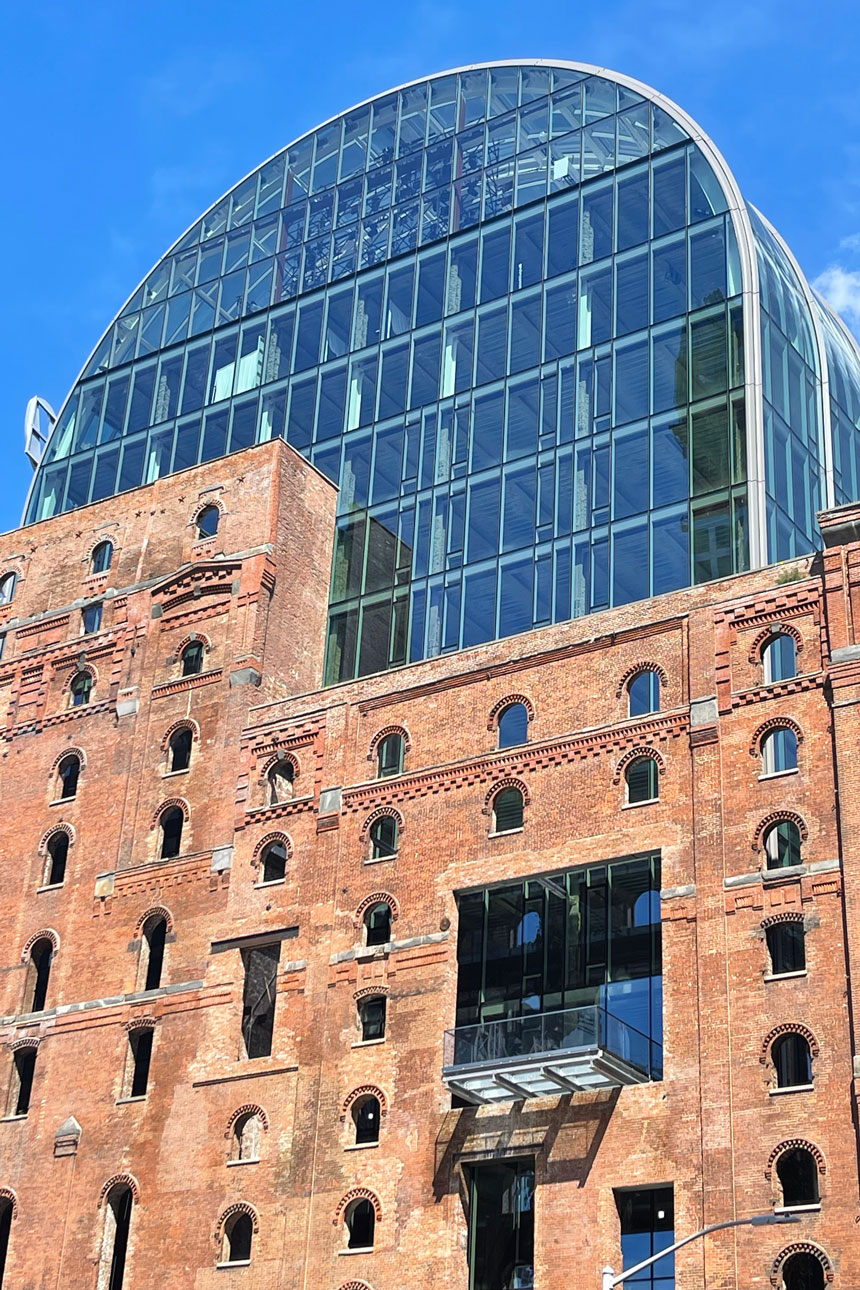
The outriggers are connected to the main columns via steel plates that penetrate the facade into the joints. The thickness and lateral deflection of these plates were carefully calculated to accommodate all relative movements caused by floor deflections and thermal expansions. The facade joint in the penetration area was also sized accordingly. Beyond the outriggers, the facade boasts other notable features, including external T-section extruded aluminum fins, 480 operable vents for ventilation, and 7 doors on the terraces at levels 2, 5, and 7.

To ensure a weathertight seal at the outrigger penetrations, Focchi's R&D team developed a bespoke "accordion gasket." This gasket, completely filled with silicone, envelops the outrigger, creating a flexible connection that allows for movement while maintaining the air-water seal. The system underwent rigorous testing to guarantee its effectiveness.

Domino Sugar Refinery

This detail would not have been possible with a typical male-female post system commonly used in the American market, which relies on "snap-in" extrusions. Only Focchi's custom-made female-female system, specifically designed for this project, enabled the creation of a high-performance seal around the outriggers.

During installation, Focchi's site team worked closely with the installer, Walsh Glass & Metal, to ensure the proper installation and sealing of every component. Any on-site challenges were swiftly addressed, thanks to the collaboration with Two Trees' on-site personnel.


Pau
Pau
Founded by Vishaan Chakrabarti, FAIA FRAIC, in 2015, PAU is both an emerging and an established global practice. With a team of twenty, our network of experienced collaborators, all in PAU is inspired by the desire to palpably and positively impact the world. They are fluent in multiple languages: speaking architecture, culture, ecology, economics, academia, urbanity, government, and, perhaps most importantly, they speak the language of democratic public process, because the complexities of the projects designed demand no less.
DWA Dencityworks
DWA Dencityworks
Dencityworks is a New York based group of architects and designers, founded to pursue unique, collaborative and world class design solutions to tomorrow's urban environment. Its design process is an engagement of multiple disciplines deploying our immense experience with complex projects in dense urban environments. Putting aside intuition and history, dencityworks enables a process based approach to each project, through which new & big ideas can be explored in response to evolving contemporary issues.
Domino Sugar Refinery

Domino Sugar Refinery

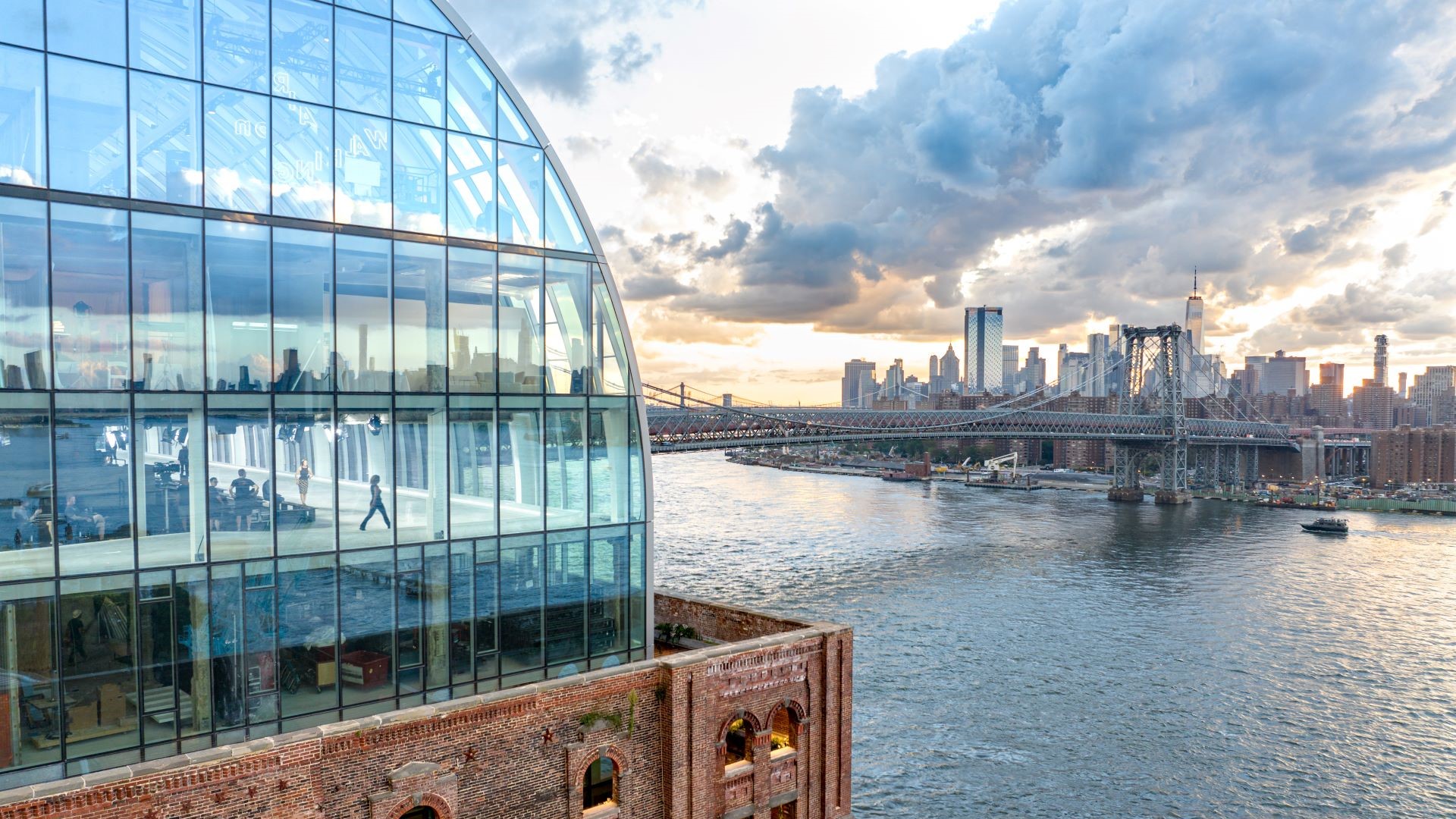
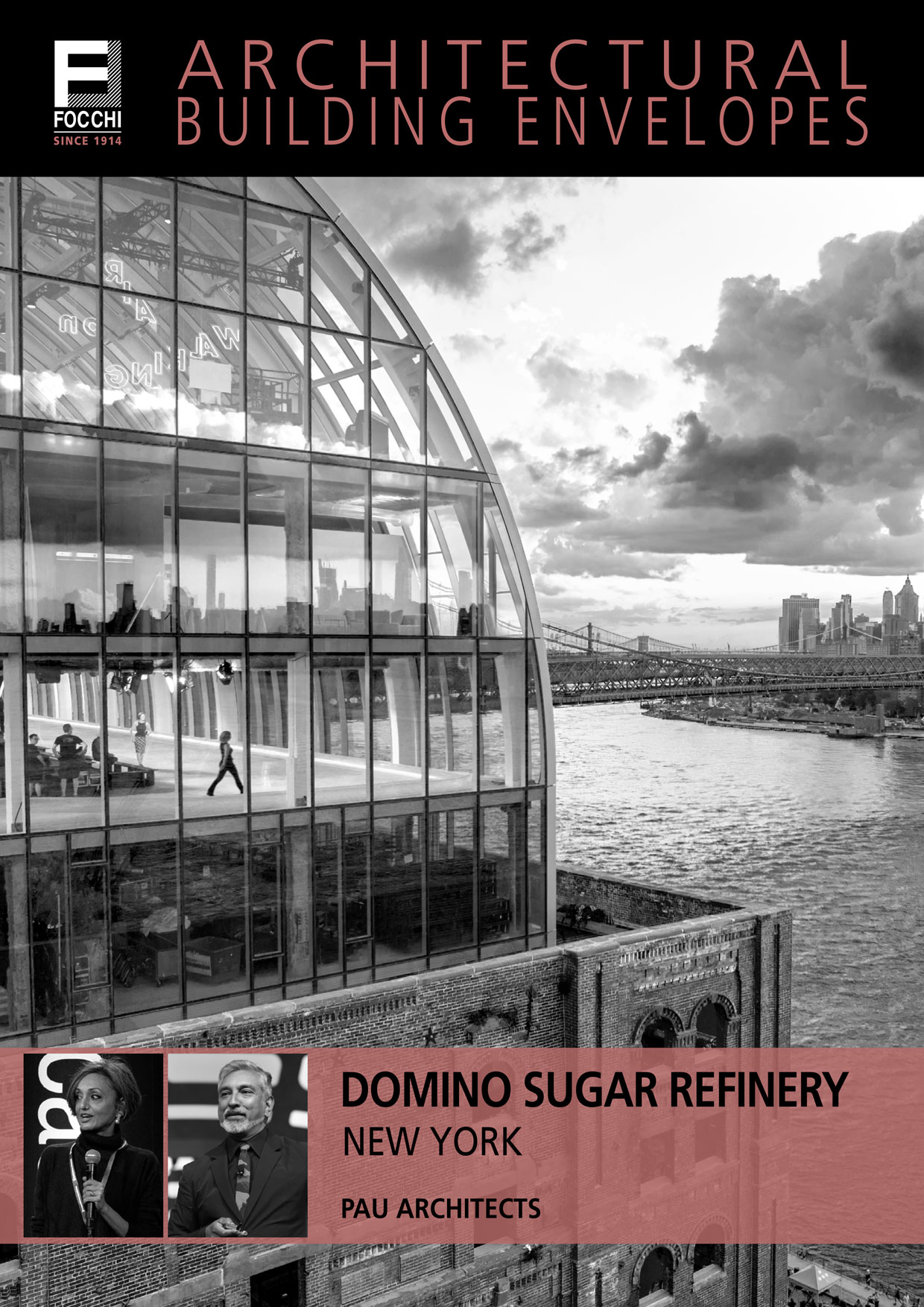
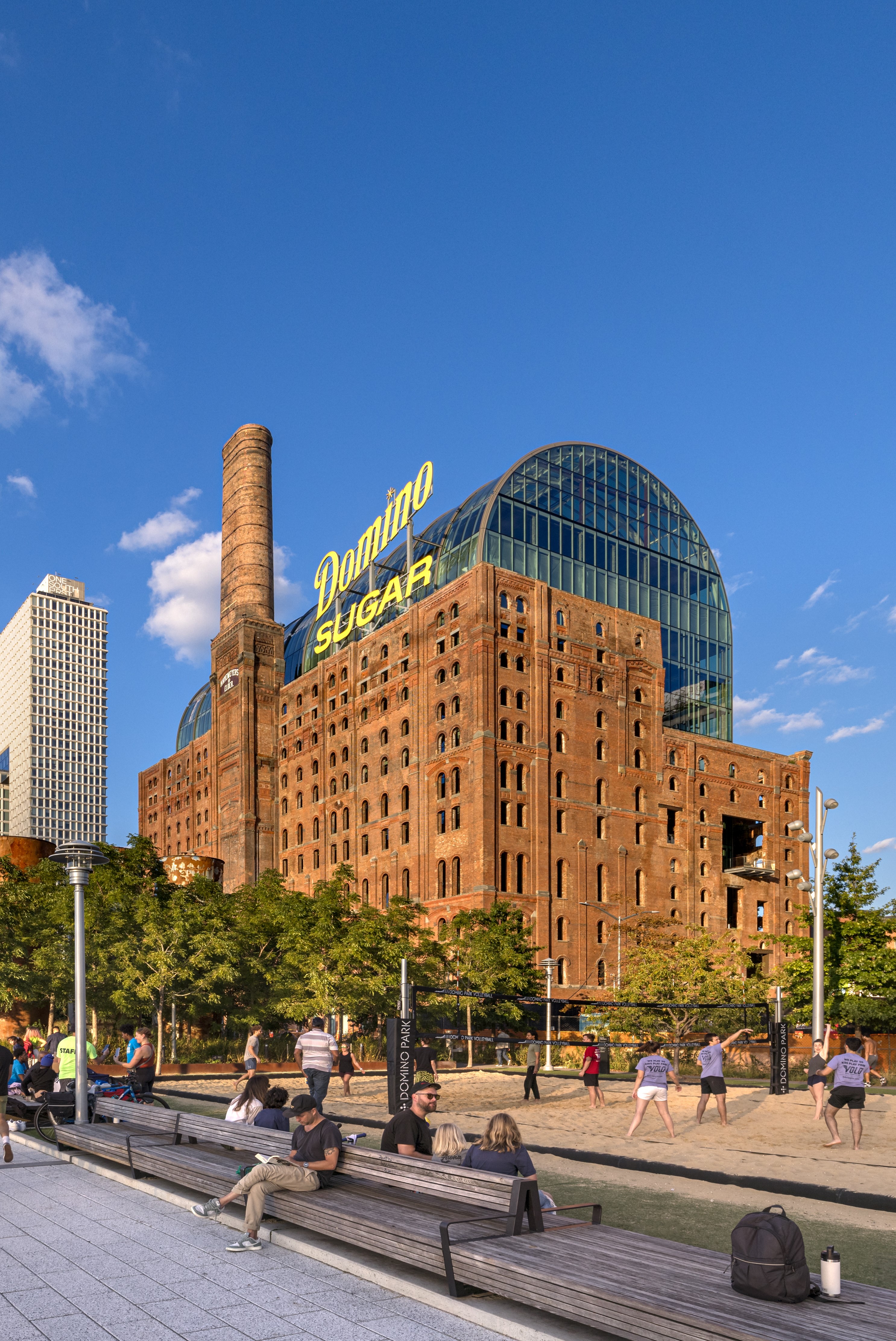
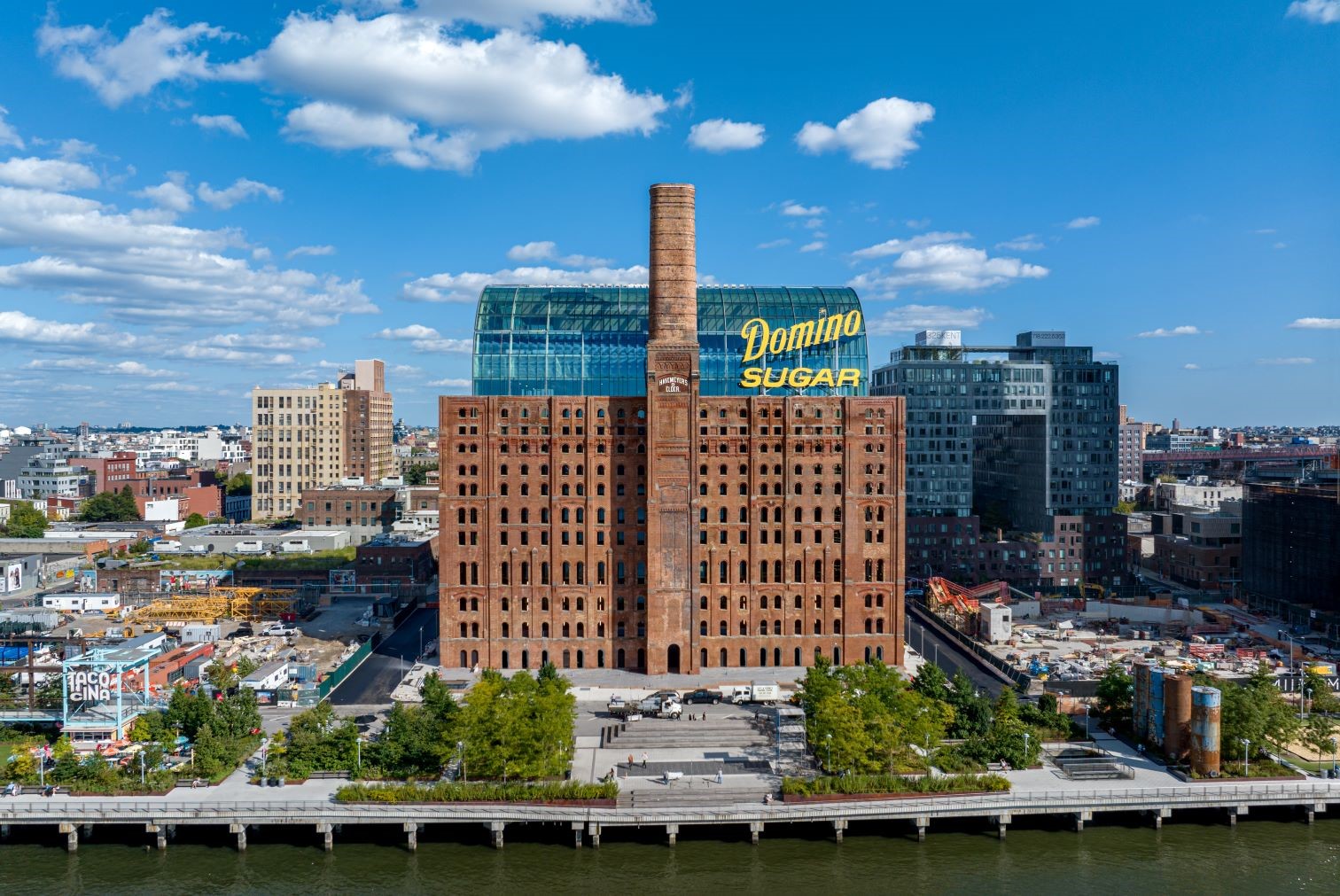
Domino Sugar Refinery used to be a “beacon” in Brooklyn’s skyline. The historic industrial building returned to life to become the nerve center of a new working waterfront.

Project Specs

  • Location: New York
  • Contractor: Two Trees Management
  • Year of completion: 2023
SEE ON STREETVIEW

Technology

Domino Sugar Refinery

WT-1 Unitized Façade

At first glance, WT-1's main unitized facade might appear conventional, but Focchi's work is anything but ordinary.

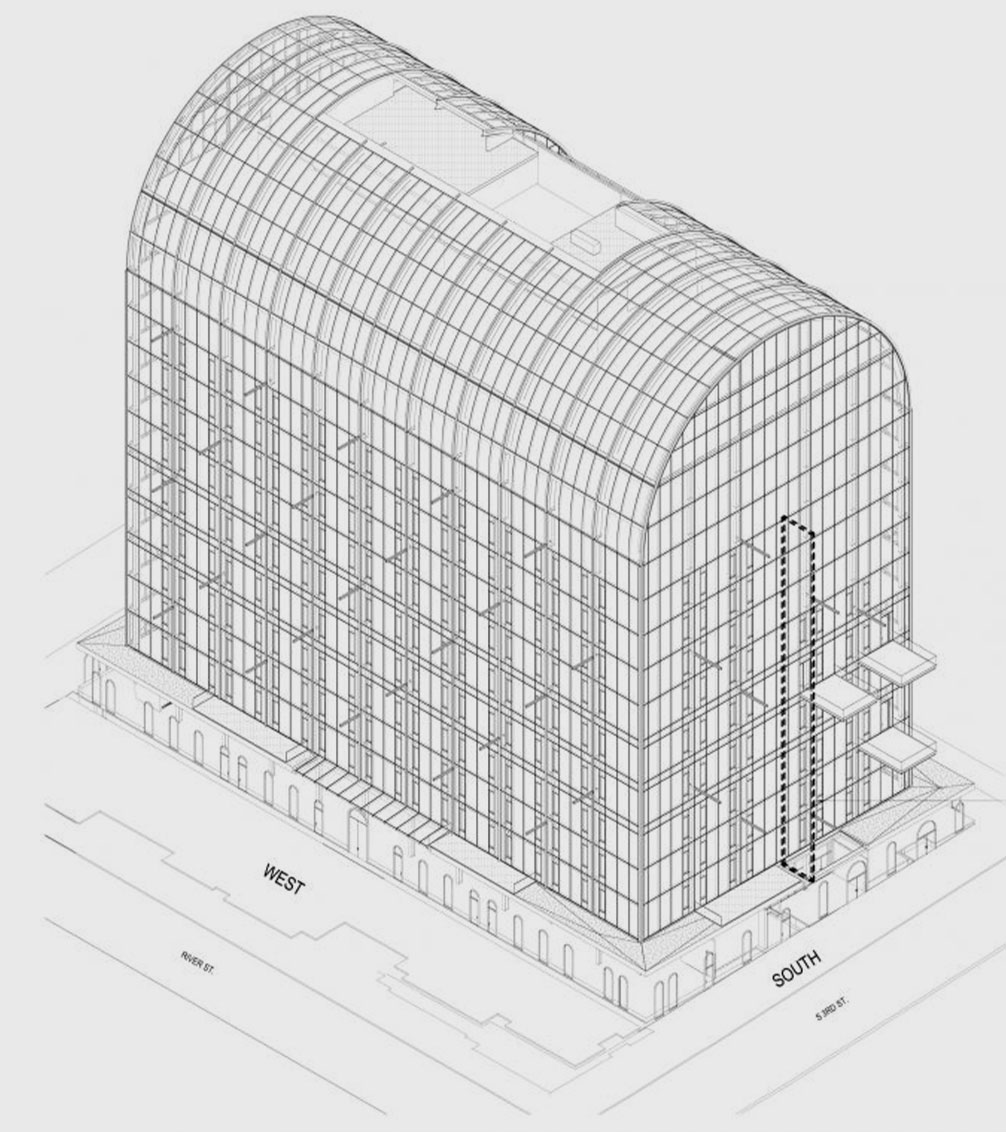
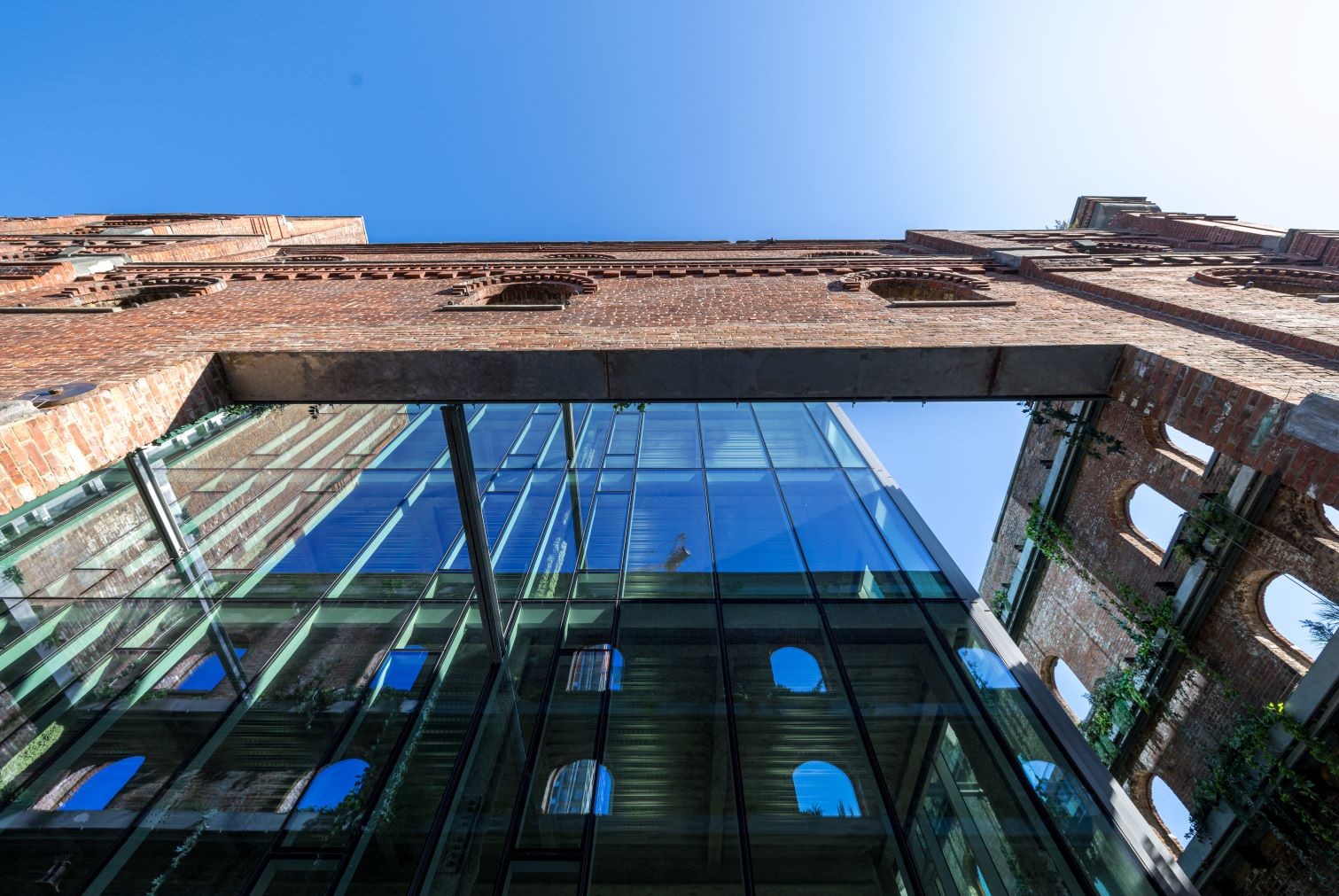
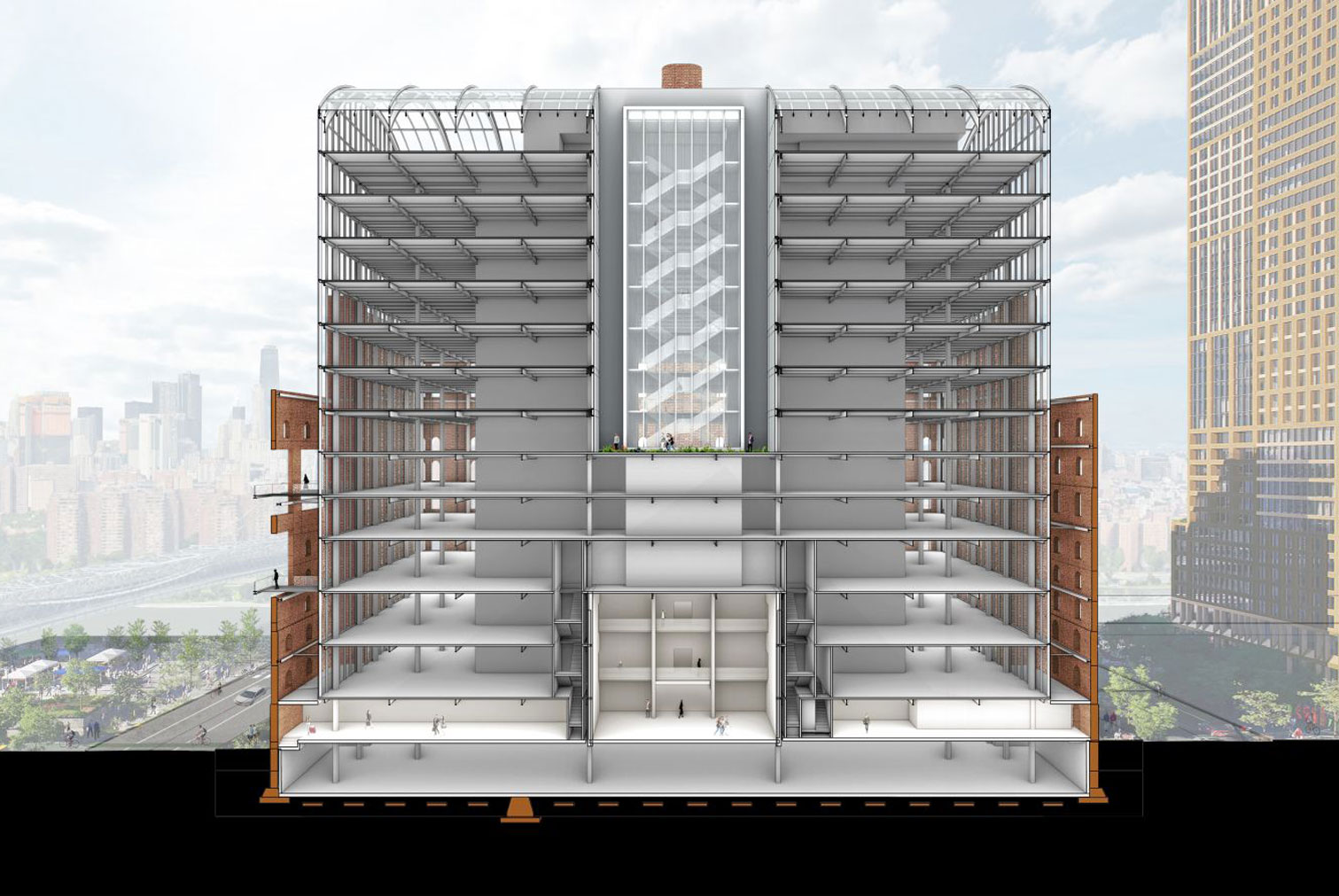
This project's uniqueness lies in the integration of approximately 100 steel outriggers that extend from the facade. These outriggers are vital in connecting the historic brick structure's stabilizing wall ring beams to the steel pillars of the new internal load-bearing structure. Focchi collaborated closely with PAU and Silman for several months to meticulously coordinate the placement of these outriggers, ensuring their structural integrity, watertightness, and minimal disruption to the primary horizontal seal. To achieve this, the struts were strategically positioned along the vertical joints, well below the floor profiles and away from the facade stack-joints. 

Designed by

Pau Architects
DWA Dencityworks Architects

Live Project

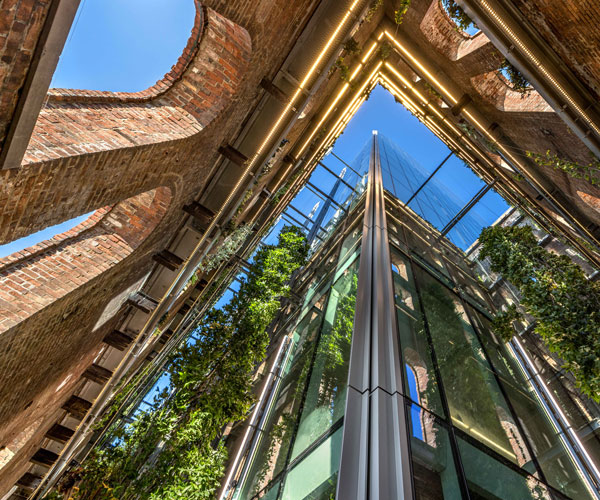
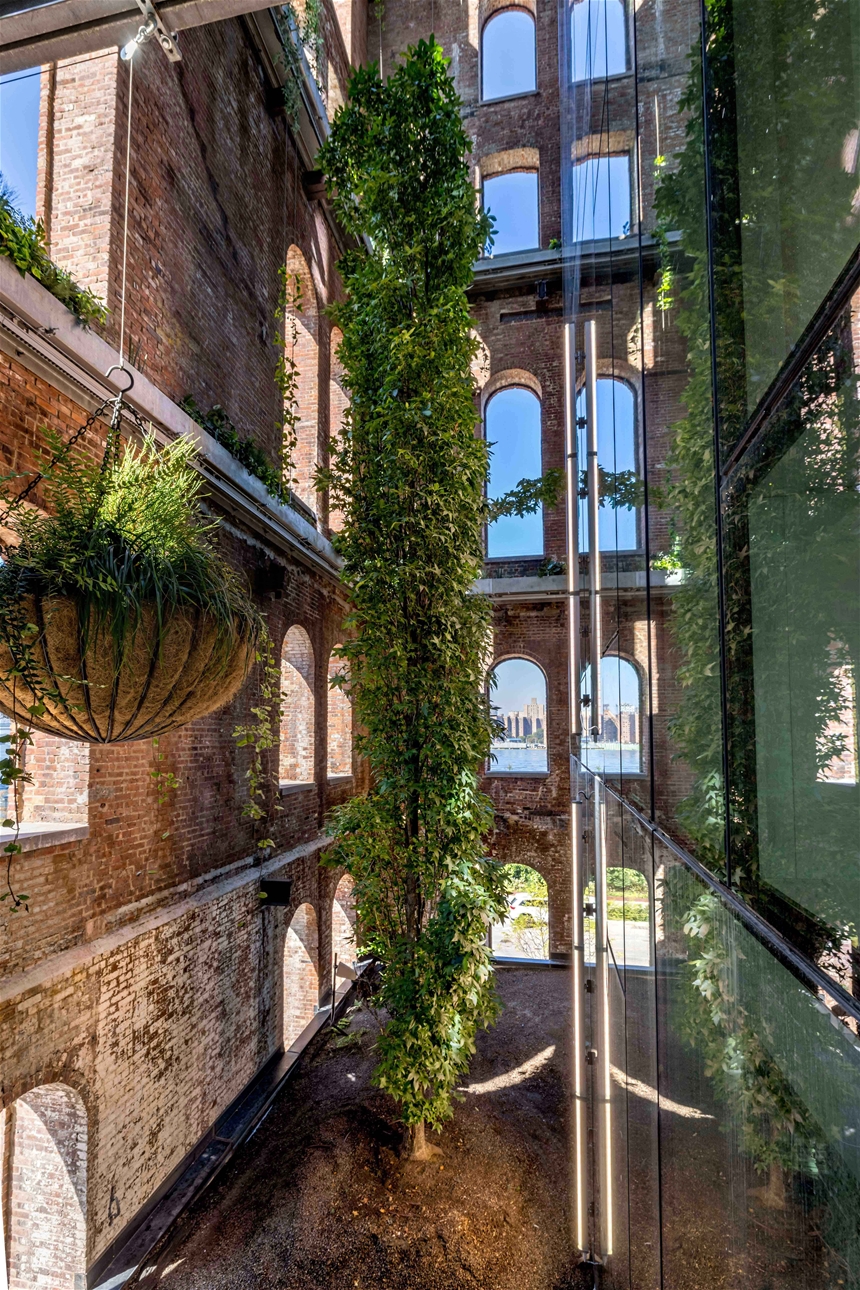
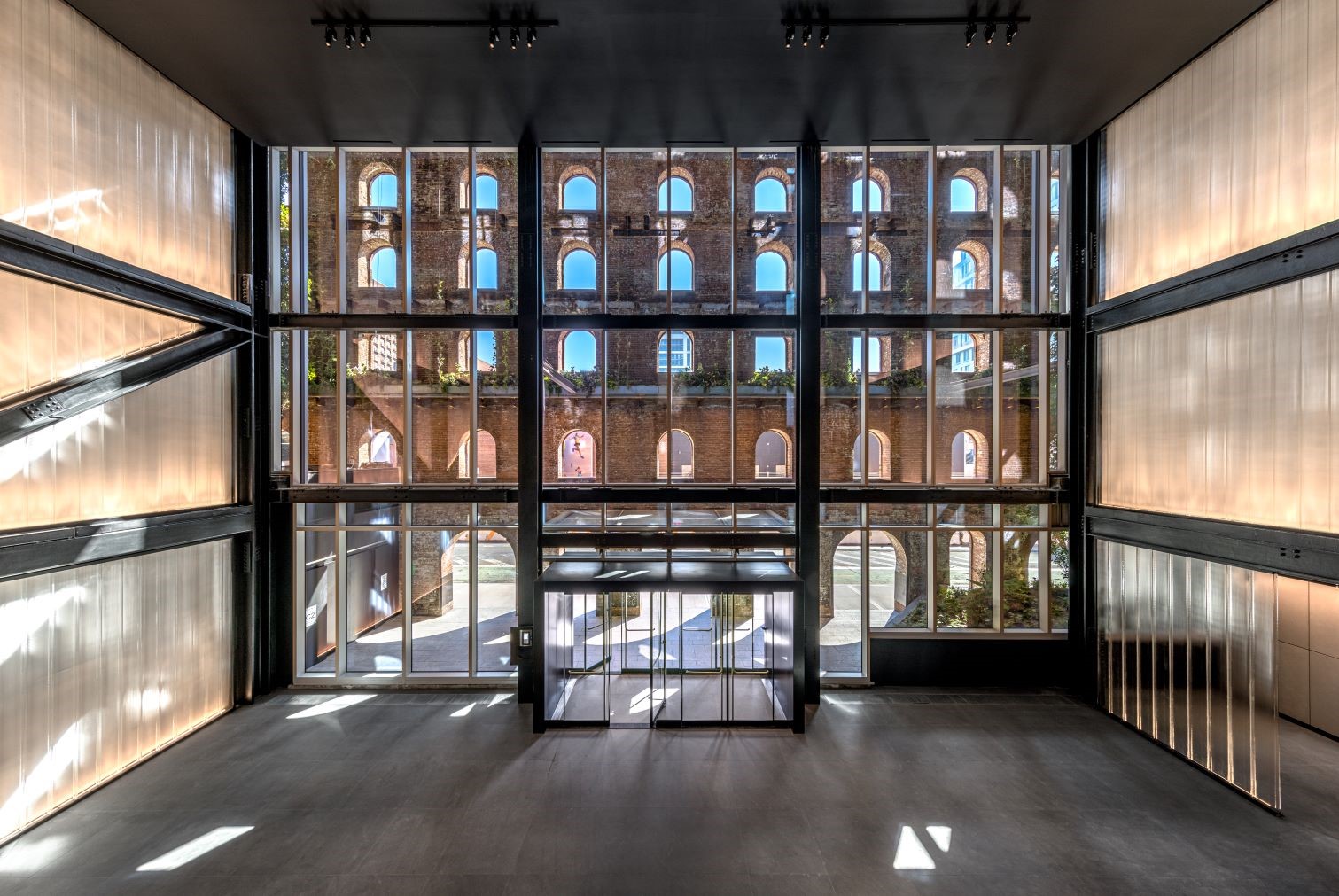
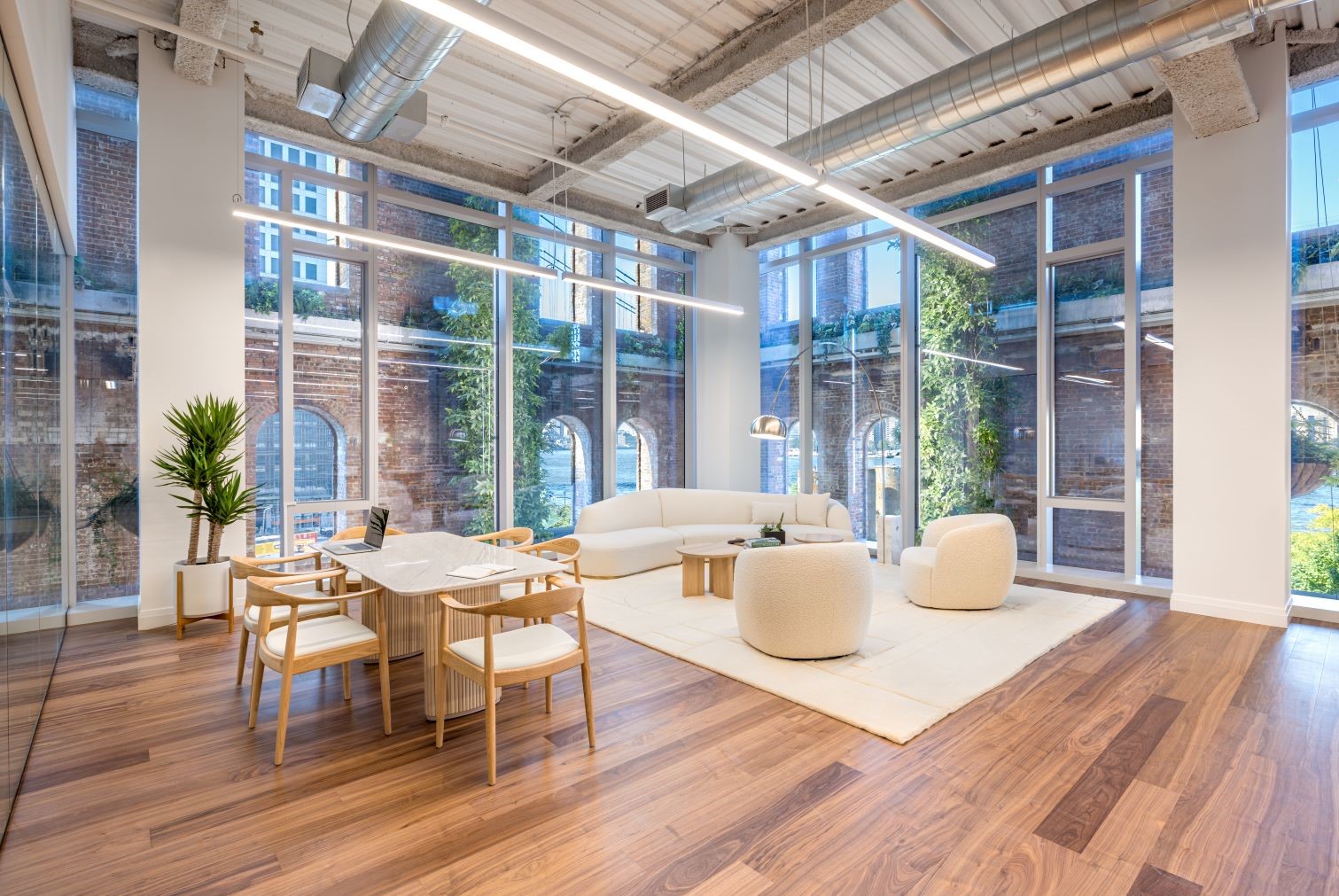
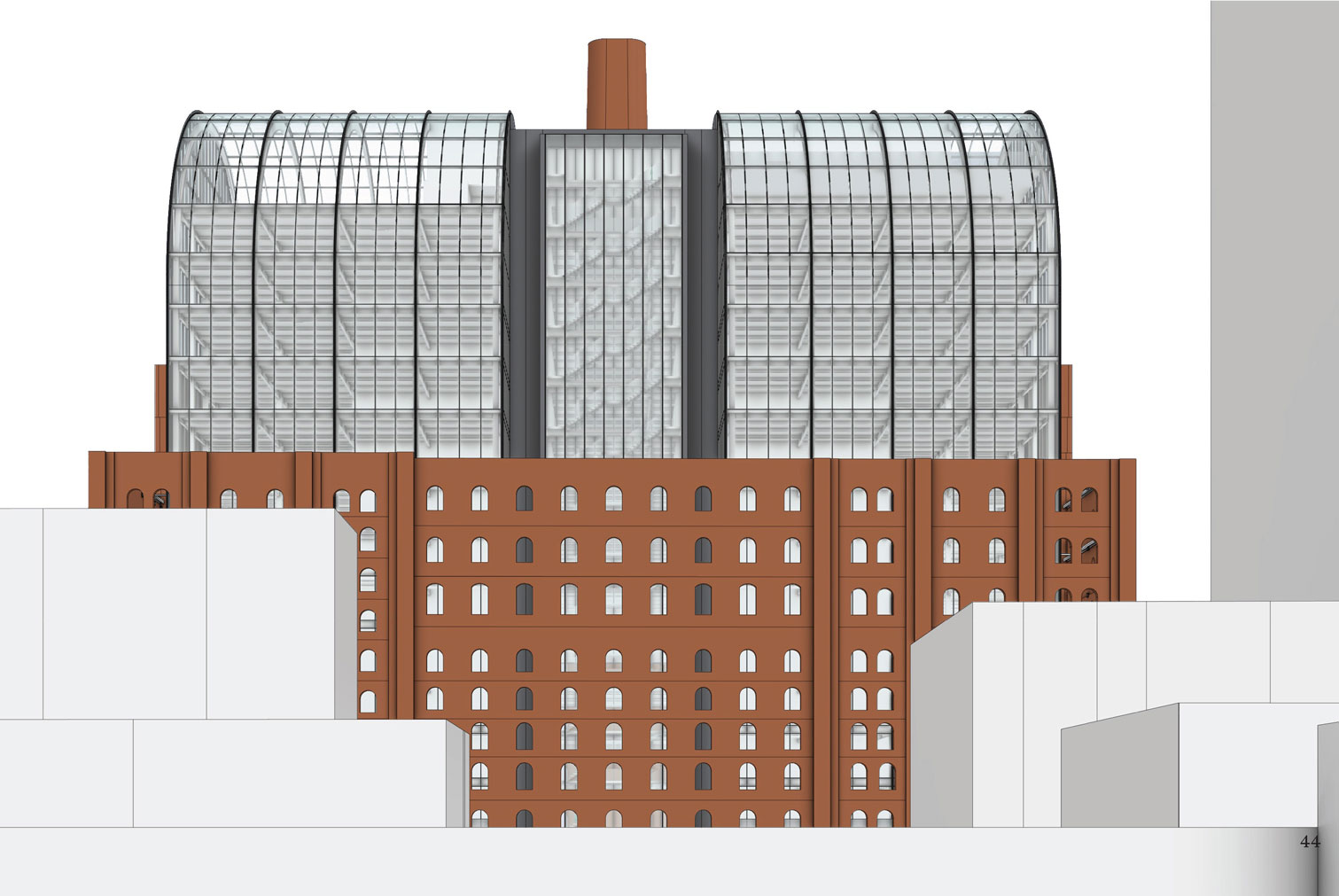
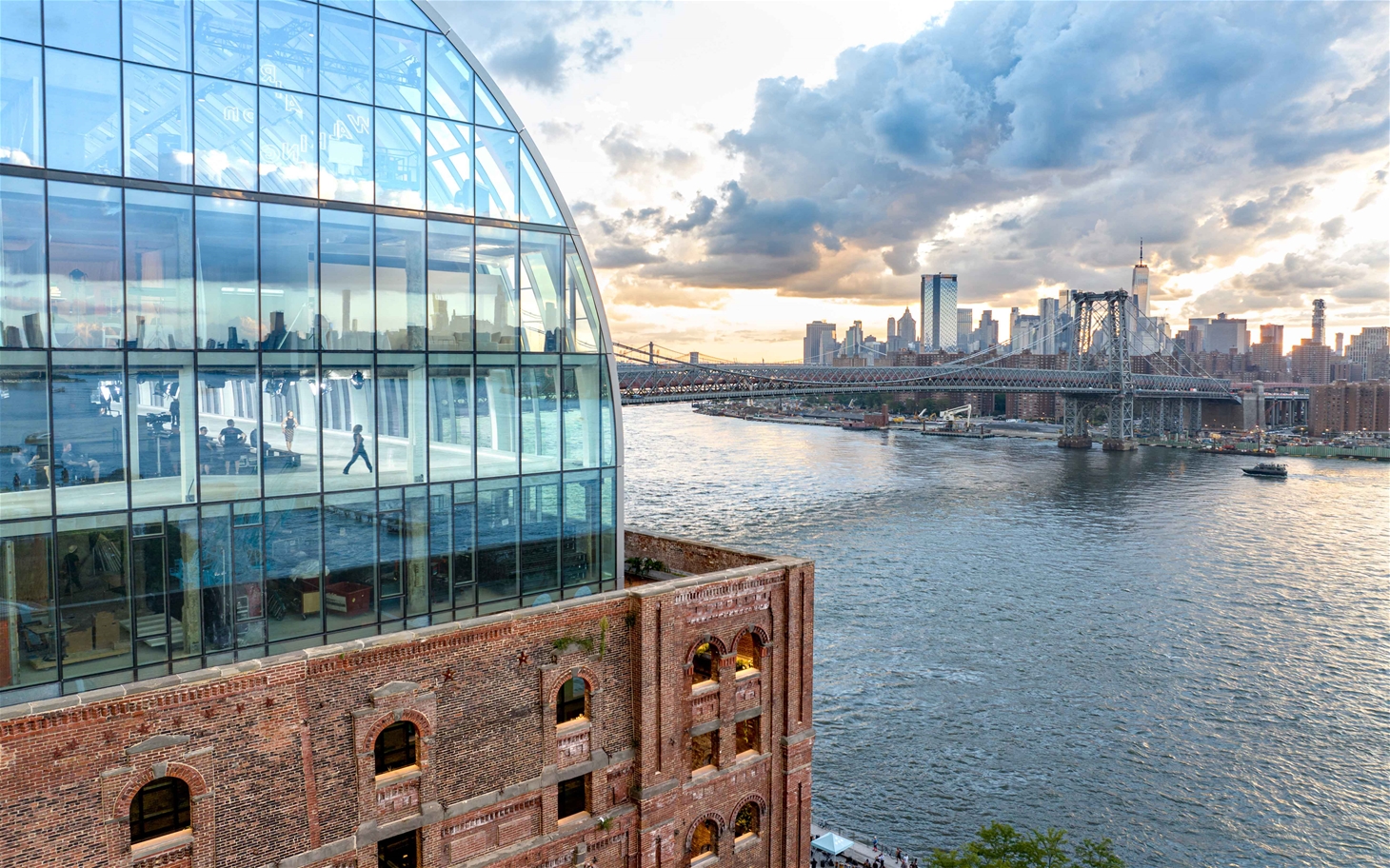
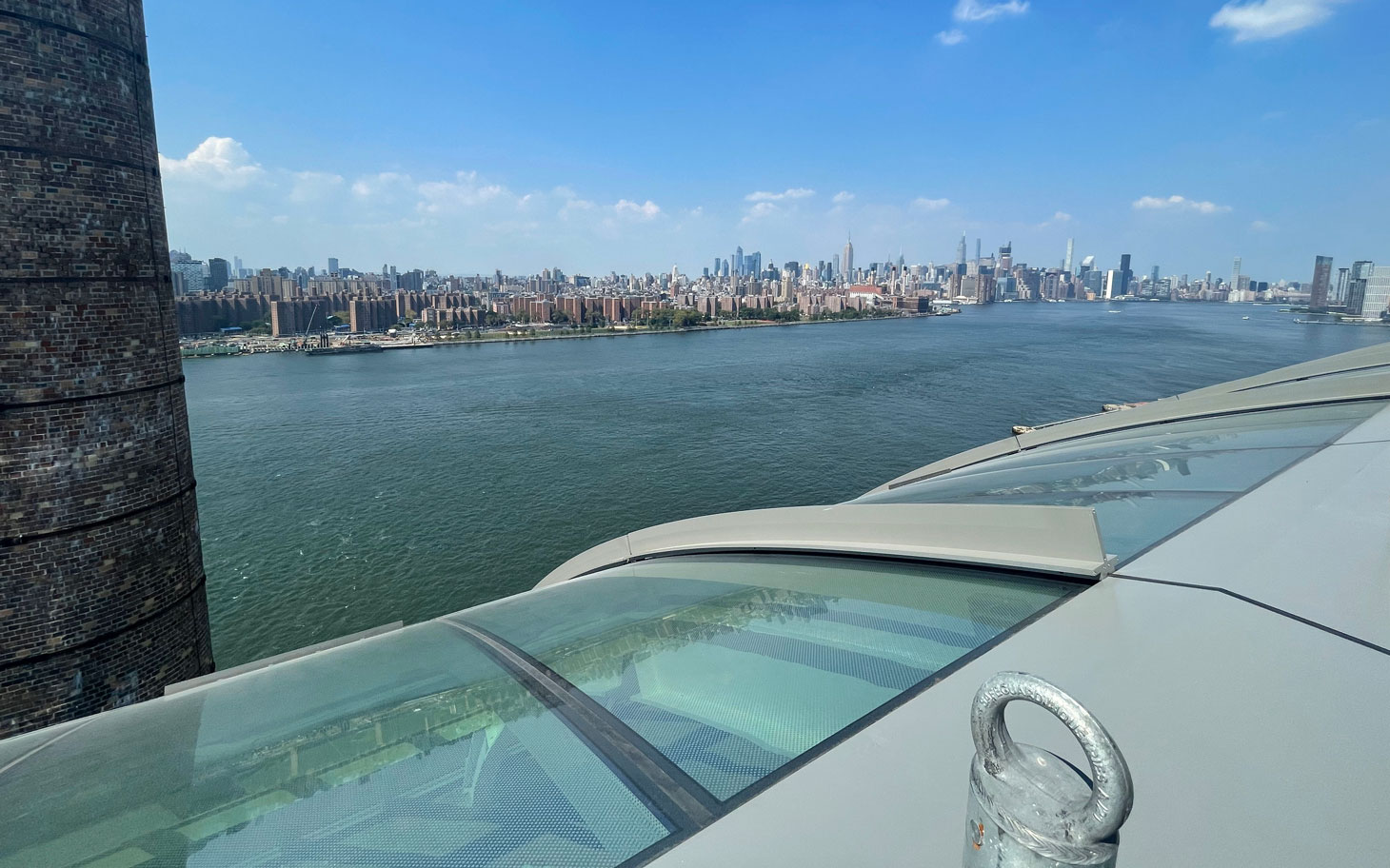
Located on the waterfront of Domino Park in Williamsburg, this 1880s historic industrial building is returning to life as a modern office space. Designed by PAU, the barrel-vaulted glass structure integrates history, innovative engineering, and sustainability in a forward-thinking adaptive reuse project. In a unique approach to refurbishment, the architects nest a brand-new building within the existing envelope, with a 12-to-15-foot gap between the new and the old. By pulling back from the original walls, ideal and standardized floor heights can be achieved, creating best-in-class office space that is designed to meet the needs of new tenants.

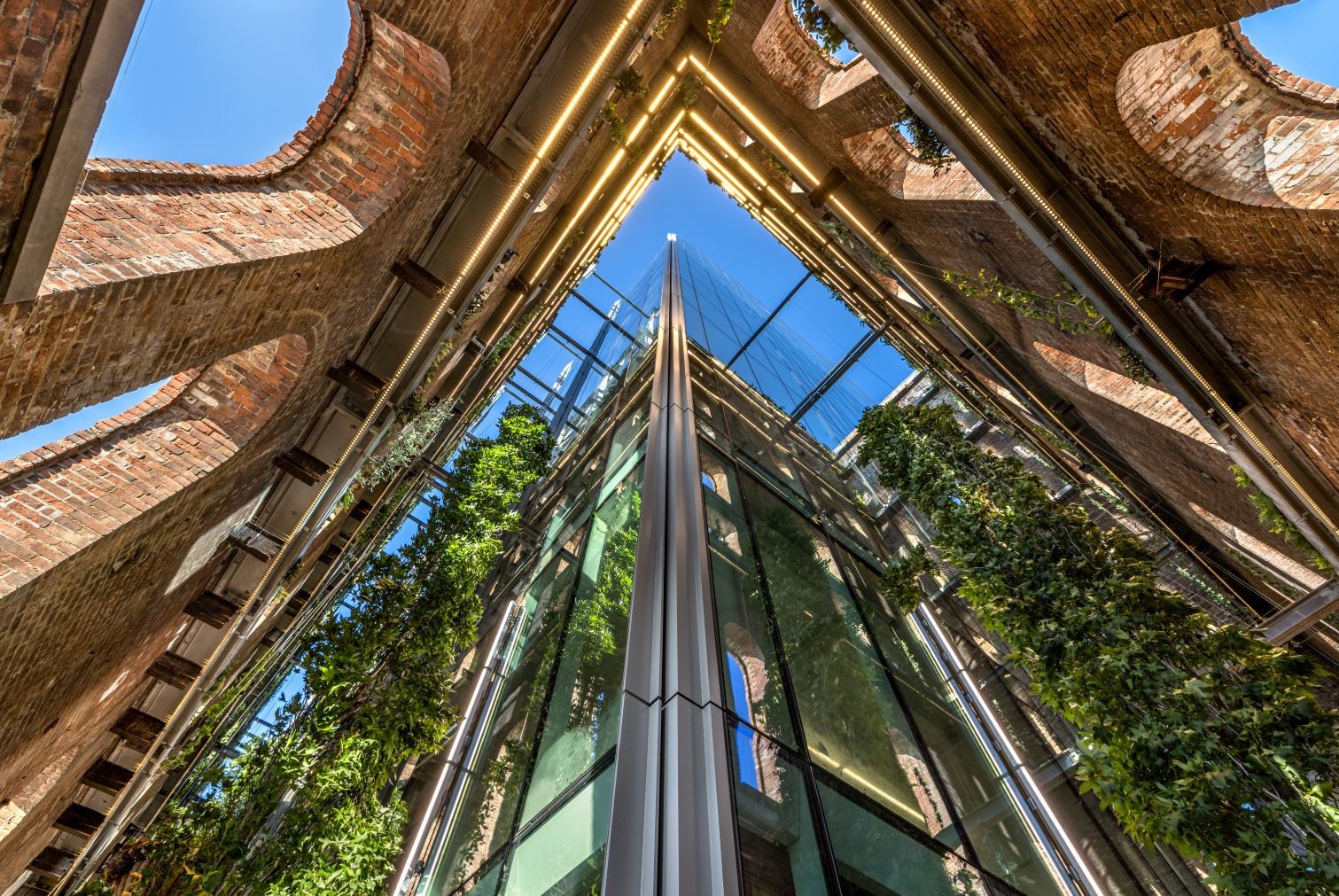
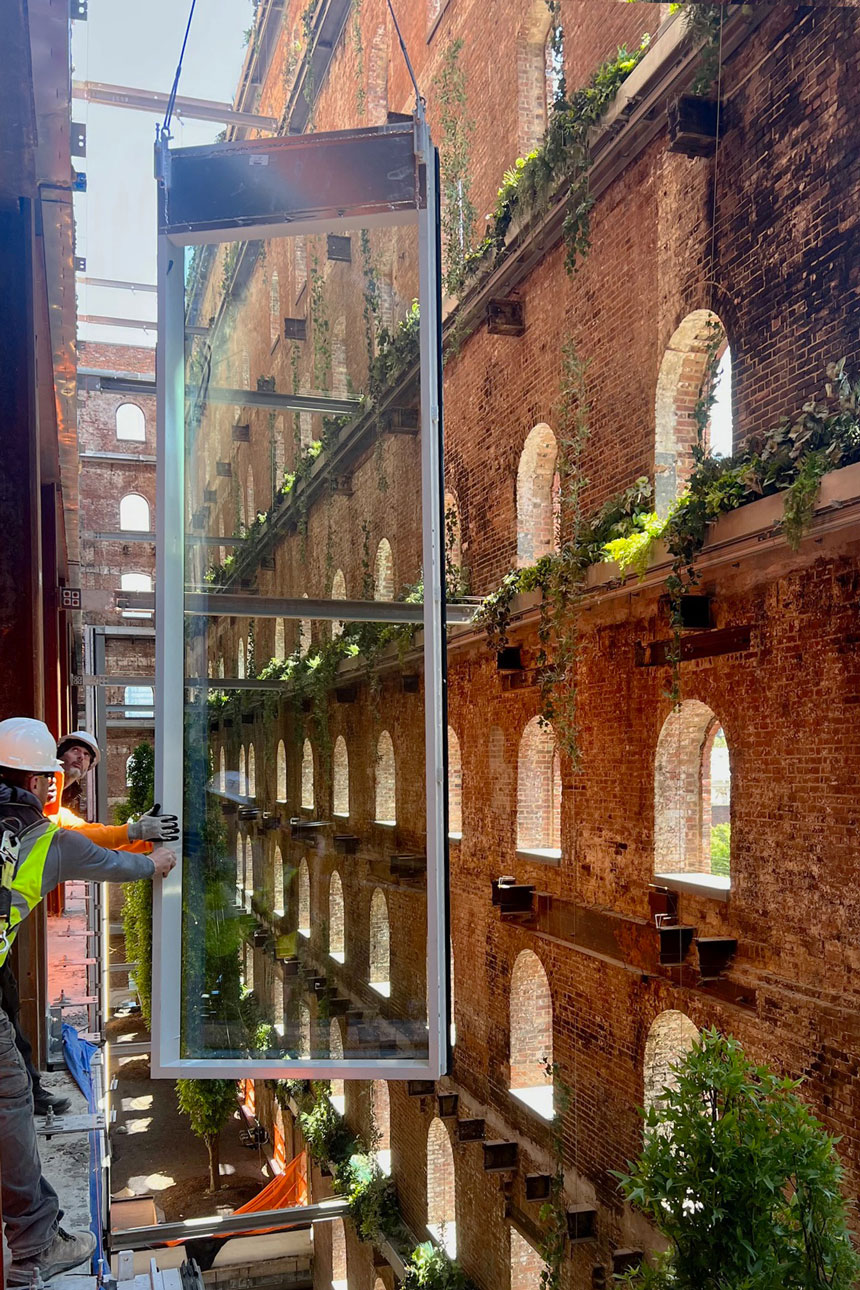
A living landscape, featuring cascading vines, trees, and natural plantings, establishes a green ecosystem between the glass curtain wall and the brick masonry walls. This integration of the natural environment not only enhances views but also contributes to the health and well-being of building’s occupants.

Under the guidance of James Corner Field Operations, renowned for their remarkable transformation of the High Line, the landscaping aims at seamlessly reconnect the wide area surrounding Domino Sugar Refinery (known as Domino Park) with the neighbourhood to the waterfront and transform another abandoned site into a popular destination.

WT-1C/1D

The cap ends on the short fronts of the barrel-vaulted roof feature WT-1C type flat units. These units are based on the same system as the WT-1 but extend up to 6 meters in height and are supported by a secondary steel framework.

The junction between this facade and the curved roof creates triangular or trapezoidal units, where the inclined side is curved and thick, and the upper transom acts as a curved lateral mullion. Small curved paneled units were installed to complete the interface detail and also serve as coping.

On the east and west elevations, at levels 12 and 13, the curtain wall system differs slightly because the roof curvature begins at the 12th floor. The WT1-D facade serves as the transition between the WT-1 facade and the roof on these elevations.

The sealing system was doubled both horizontally (with a double saddle gasket) and vertically (with a double vertical key).
All vertical extruded elements, including the facade mullions and external fins, were designed to be curved. The glazed panels themselves were curved along the longer side.
The units on the 13th level were installed from the same floor, using a technique similar to that of American Window Walls.


WT-2

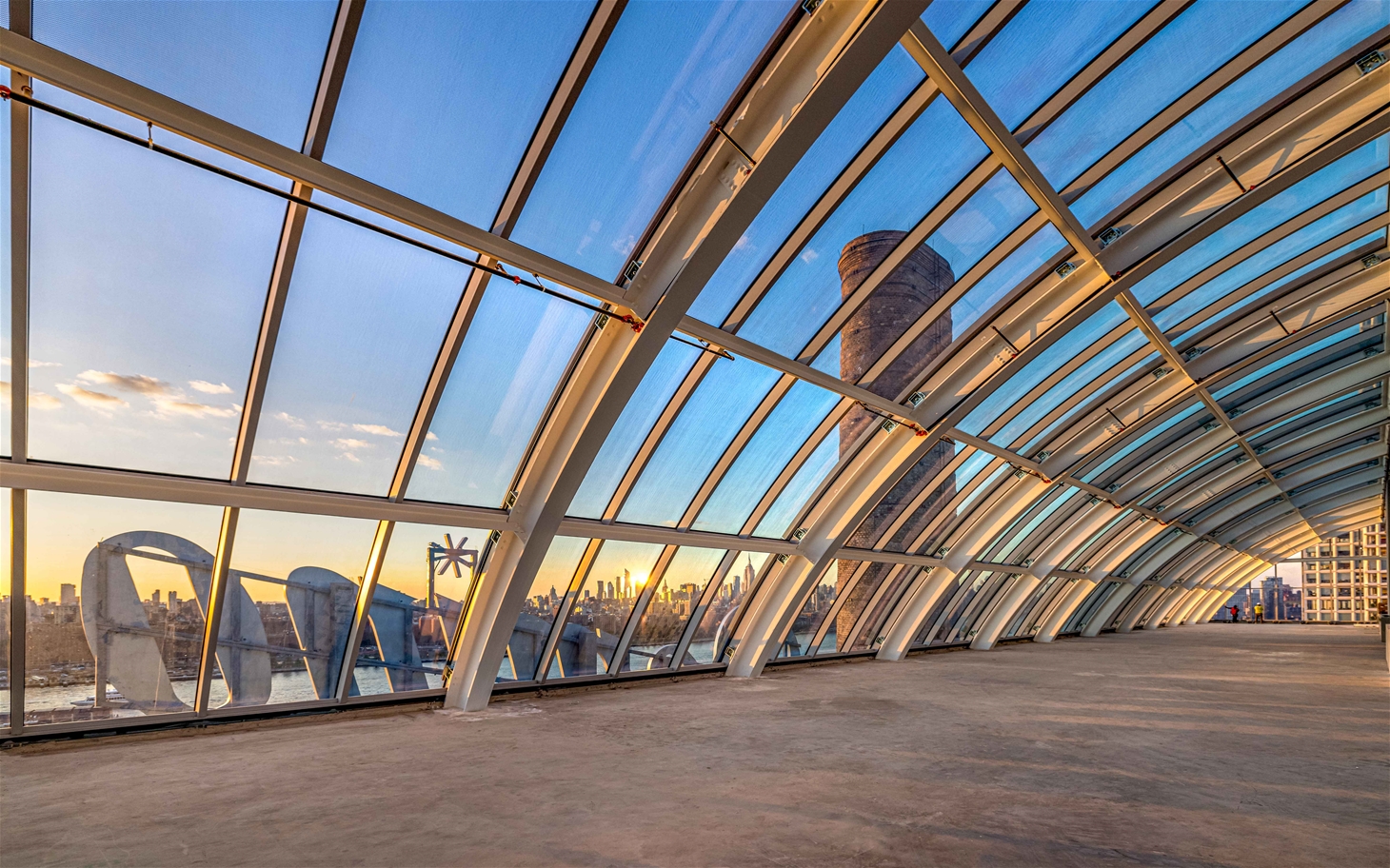
The building's barrel vault is an open, fully glazed space that extends nearly 18 meters (60 feet) above the 14th floor. The new facade envelope is supported by a curved steel ribbed metal structure with a 6-meter spacing, connected by a system of purlins and bracing. The facade elements had to be designed to rest solely on the main ribs. During the design phase, several solutions were considered:

  • Fully stick system (to be installed on-site): This was deemed unsuitable due to the extensive on-site work required, high costs, and incompatible timelines.
  • Unitized system: This was also unsuitable because the building's curvature would have made it extremely challenging, if not impossible, to ensure water tightness, especially at the vault's top. Additionally, the units would have been nearly horizontal, resembling a skylight.
  • Preassembled stick system with mega-panels: This proved to be the most effective choice. A total of 88 mega-panels measuring 6m x 4m were produced, consisting of a main steel structure with aluminum profiles for the mullions and transoms, supporting four glazed sections each. The production of these panels was relocated to the US to minimize the high shipping costs via sea (containers).

Photos

Max Touhey