Main Façade
1 Broadgate

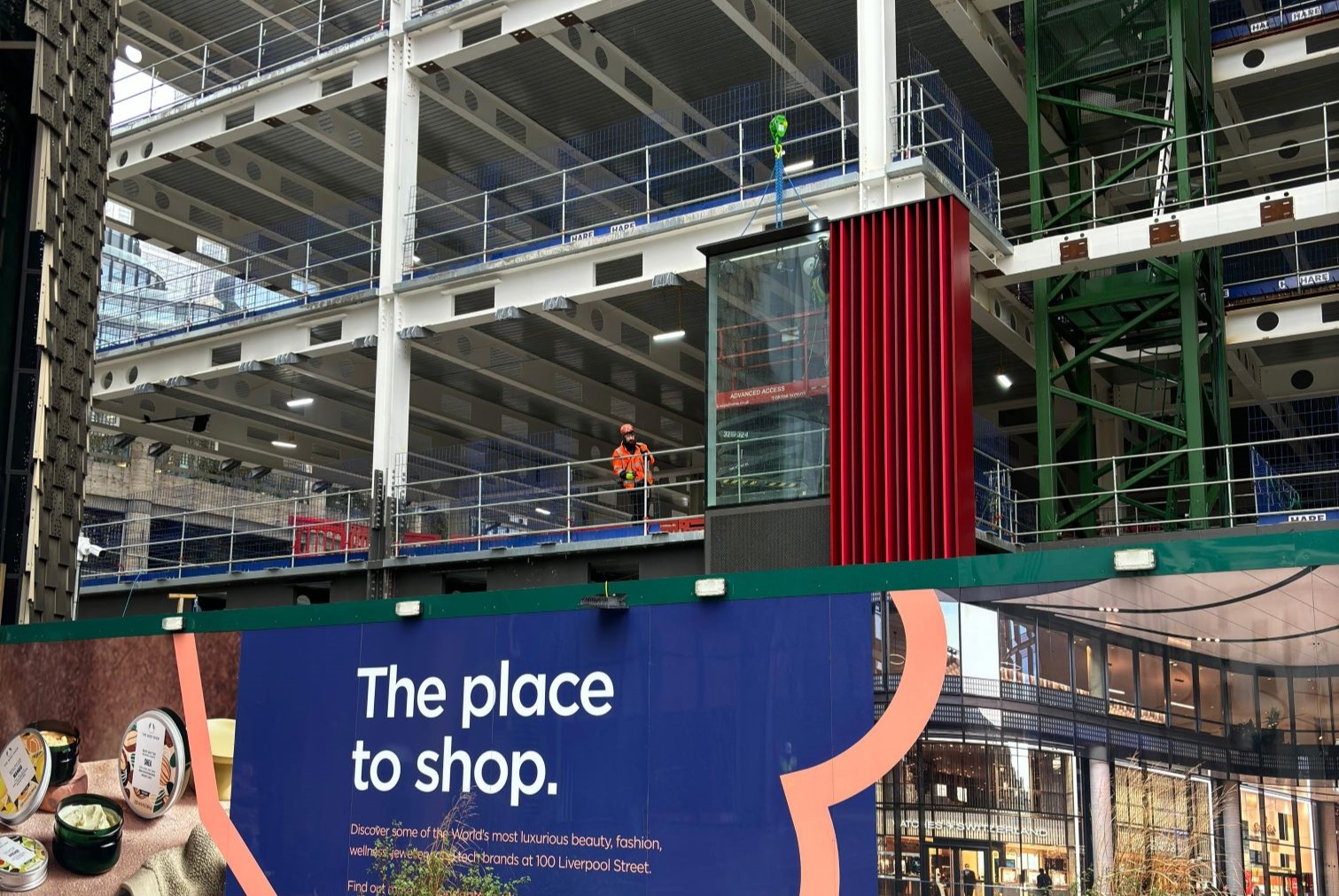
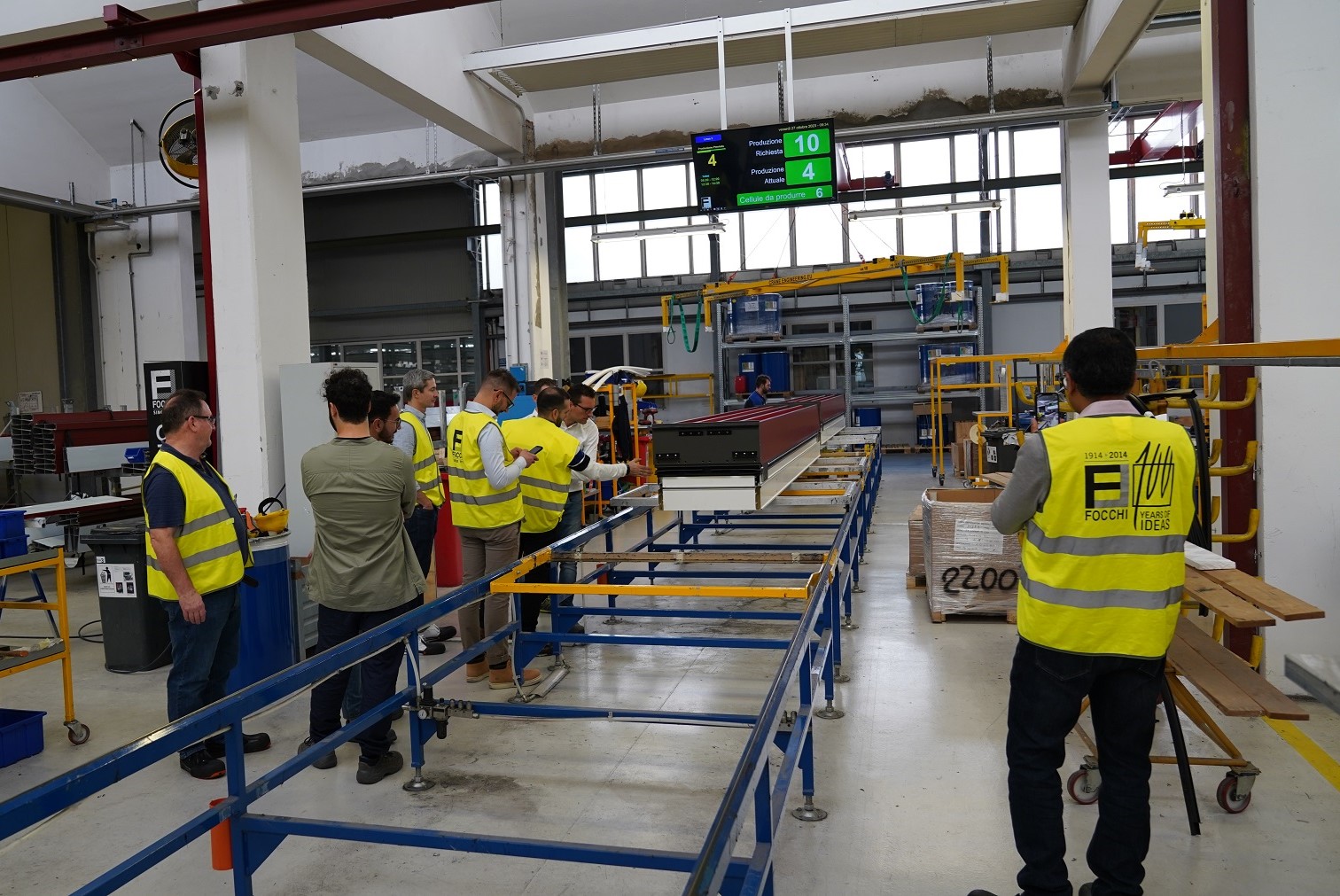
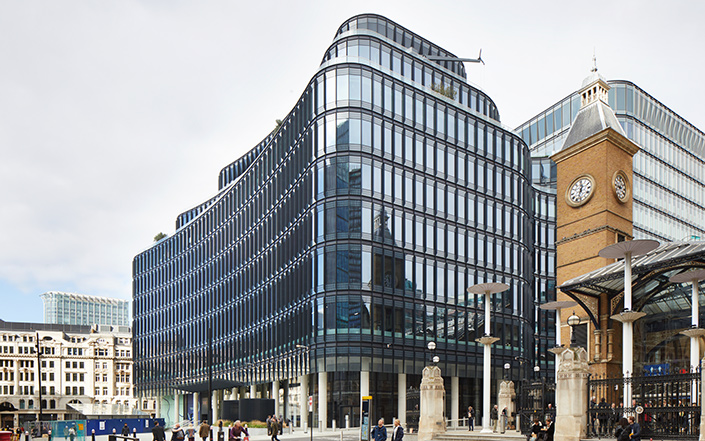
One of the most interesting aspects of the project is undoubtedly the curtain wall that characterizes the main building. It's a unitised system with structural glazing, where special EPDM gaskets are interlocked between sequentially mounted units. These gaskets ensure a perfect seal both vertically and horizontally and allow for proper drainage.

The accuracy of the construction is remarkable: each unit is fixed by using a bracket system that permits small three-dimensional adjustments, ensuring a visually impeccable result.

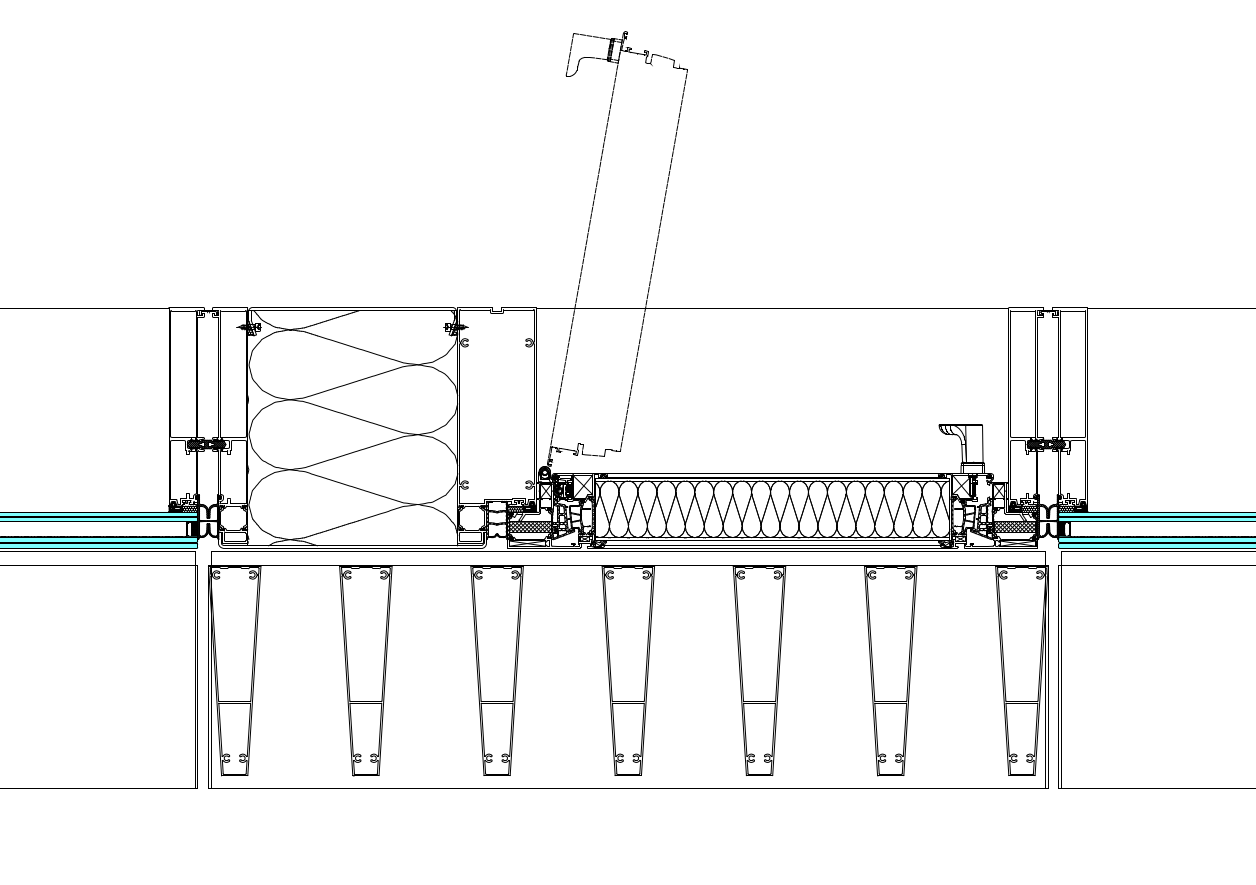
The spandrel units, which define the façade, incorporate active systems such as opening vents, rainwater downpipes, plenums, and ventilation louvers concealed behind perforated sheet metal panels. The framing members consist of extruded aluminium EN AW-6063 T6 mullions and transoms, carefully assembled with screws and silicone. The latest generation double-glazing unit consists of two laminated glass panes with a 90% argon-filled cavity, thus ensuring excellent thermal and acoustic performance.
1 Broadgate

The units consist of aluminium frames to which the DGU is applied using structural silicone bonding, for both vision glass and glazed spandrel. Vulcanized gaskets are applied to the perimeter of each unit to form the primary seal barrier. On the outer side of the transoms, horizontal fins are installed at the stack joint, providing continuity to the projecting elements of the spandrel units.
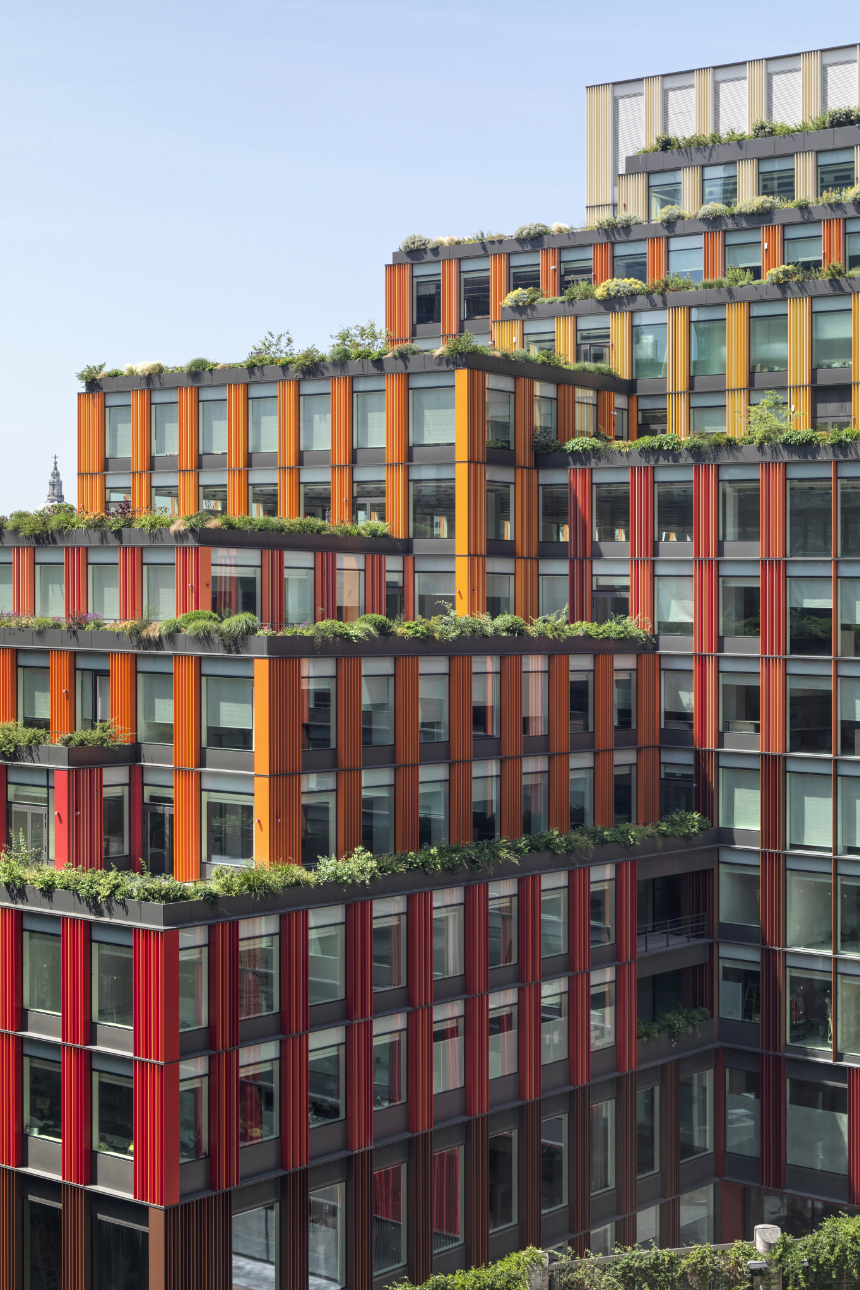
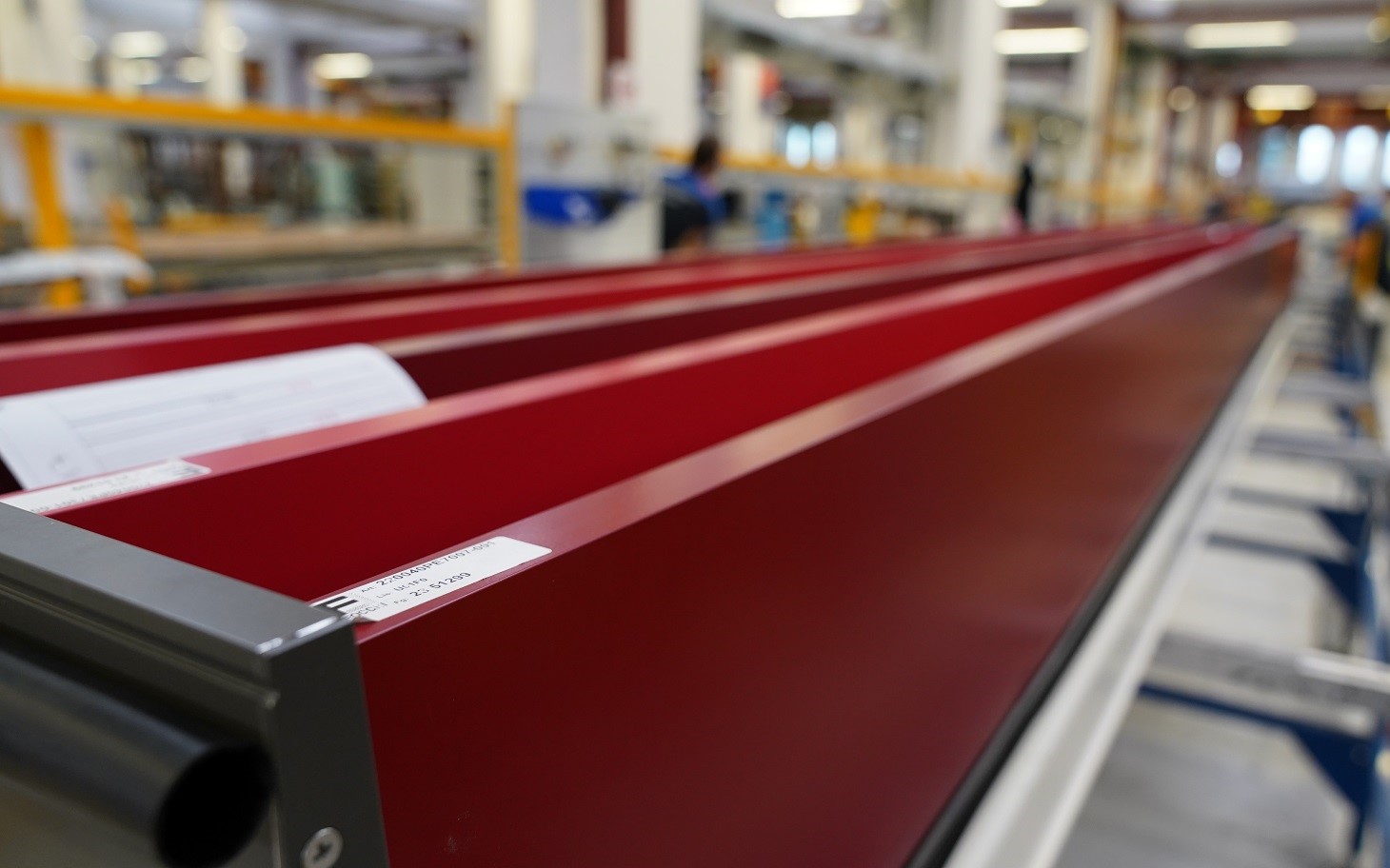
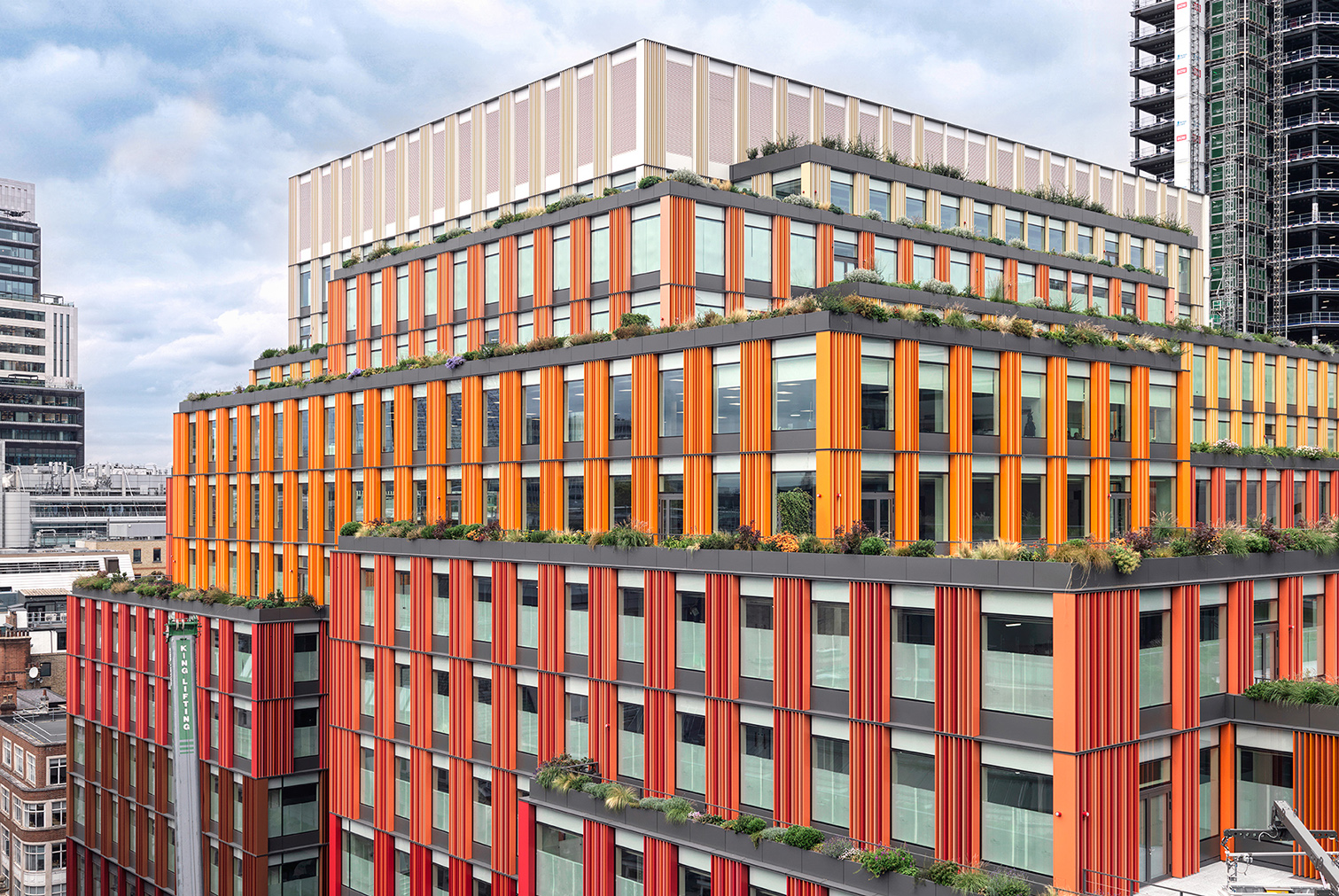
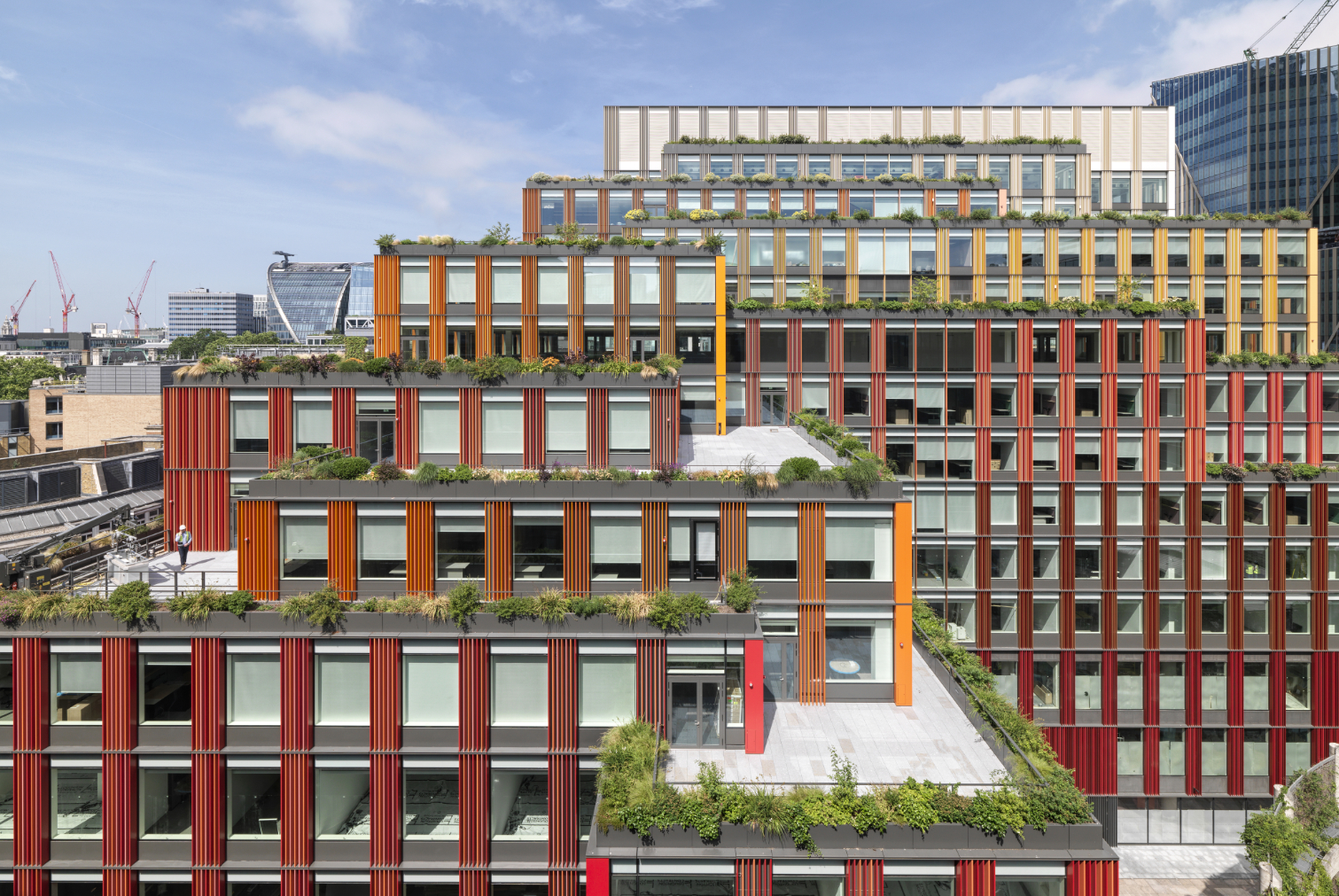
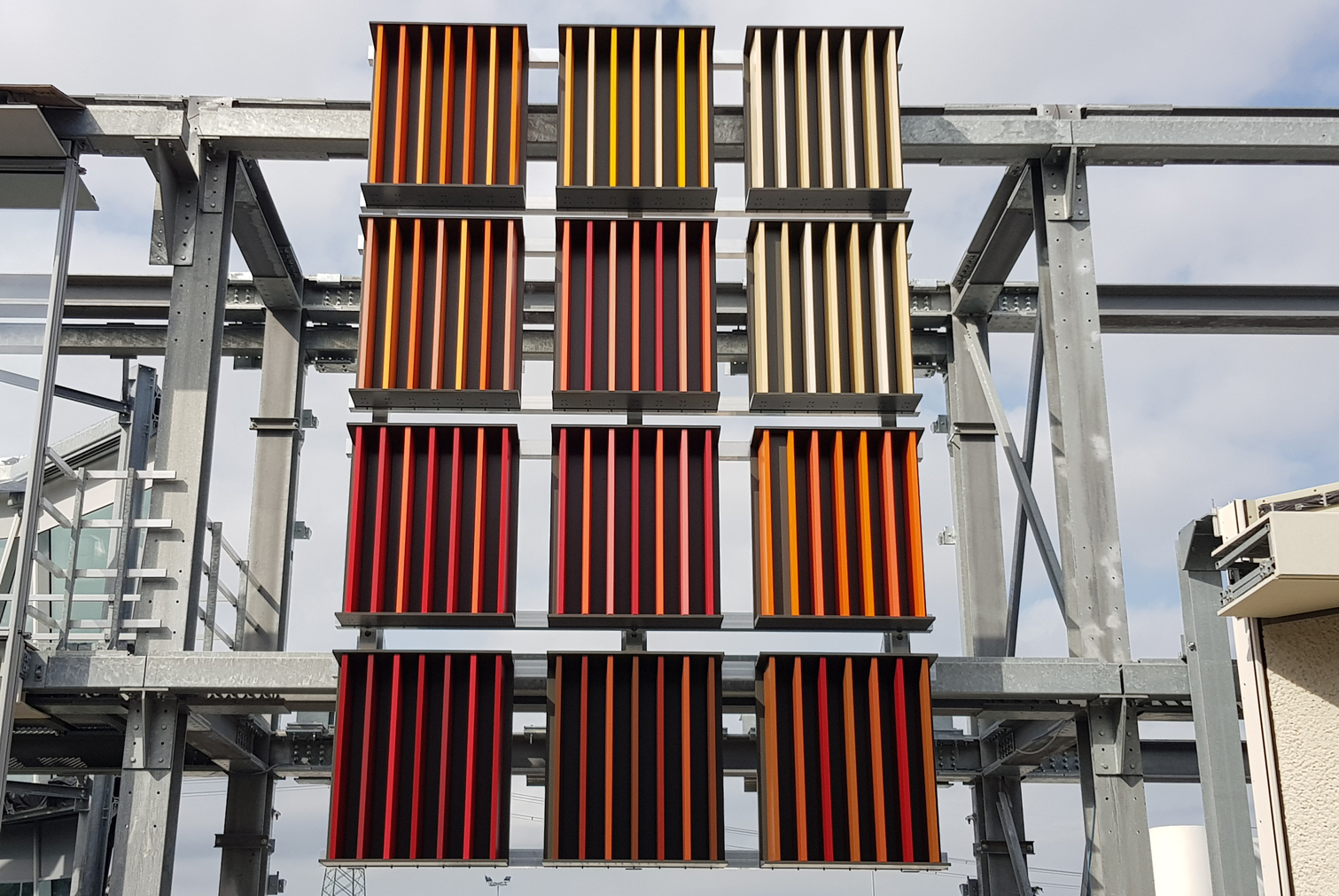
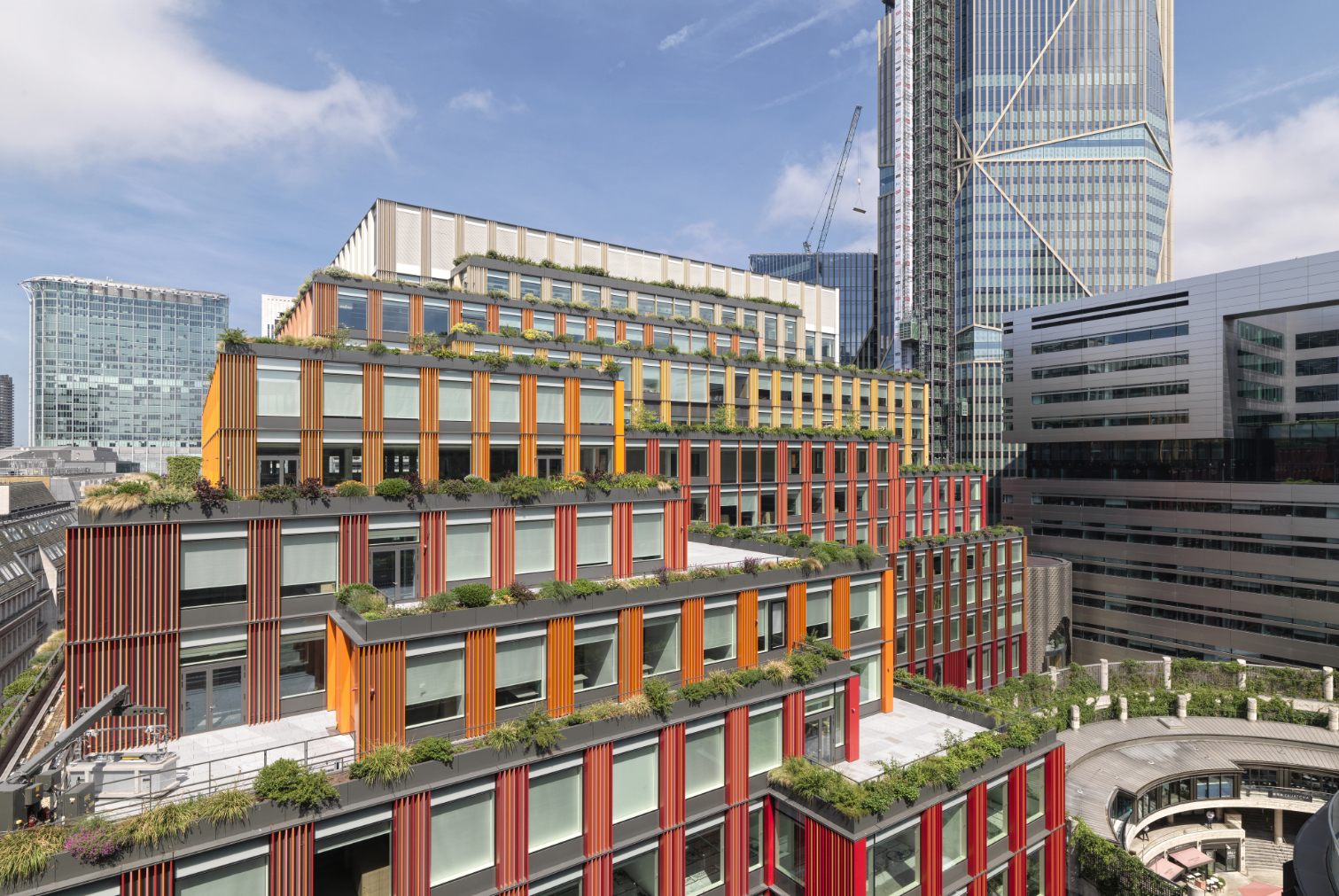
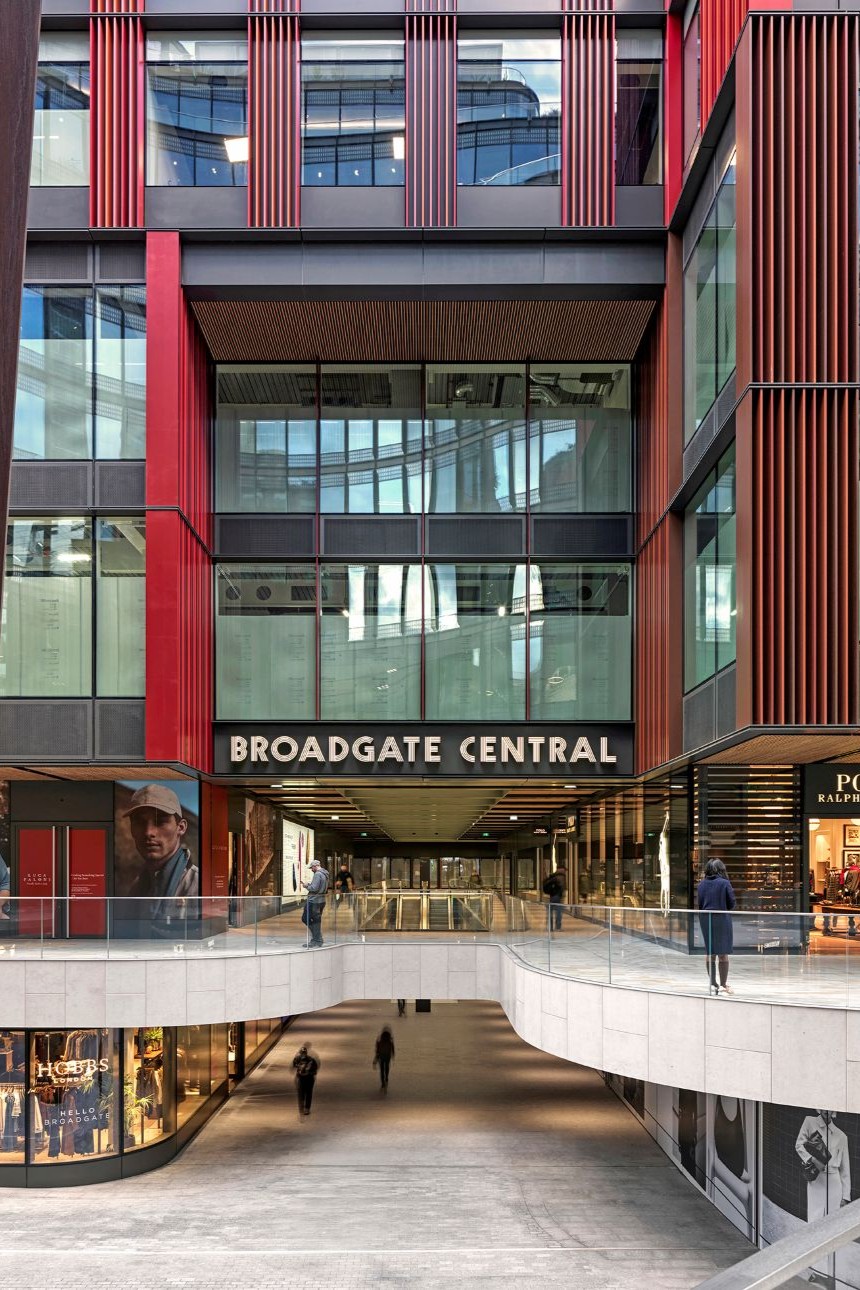
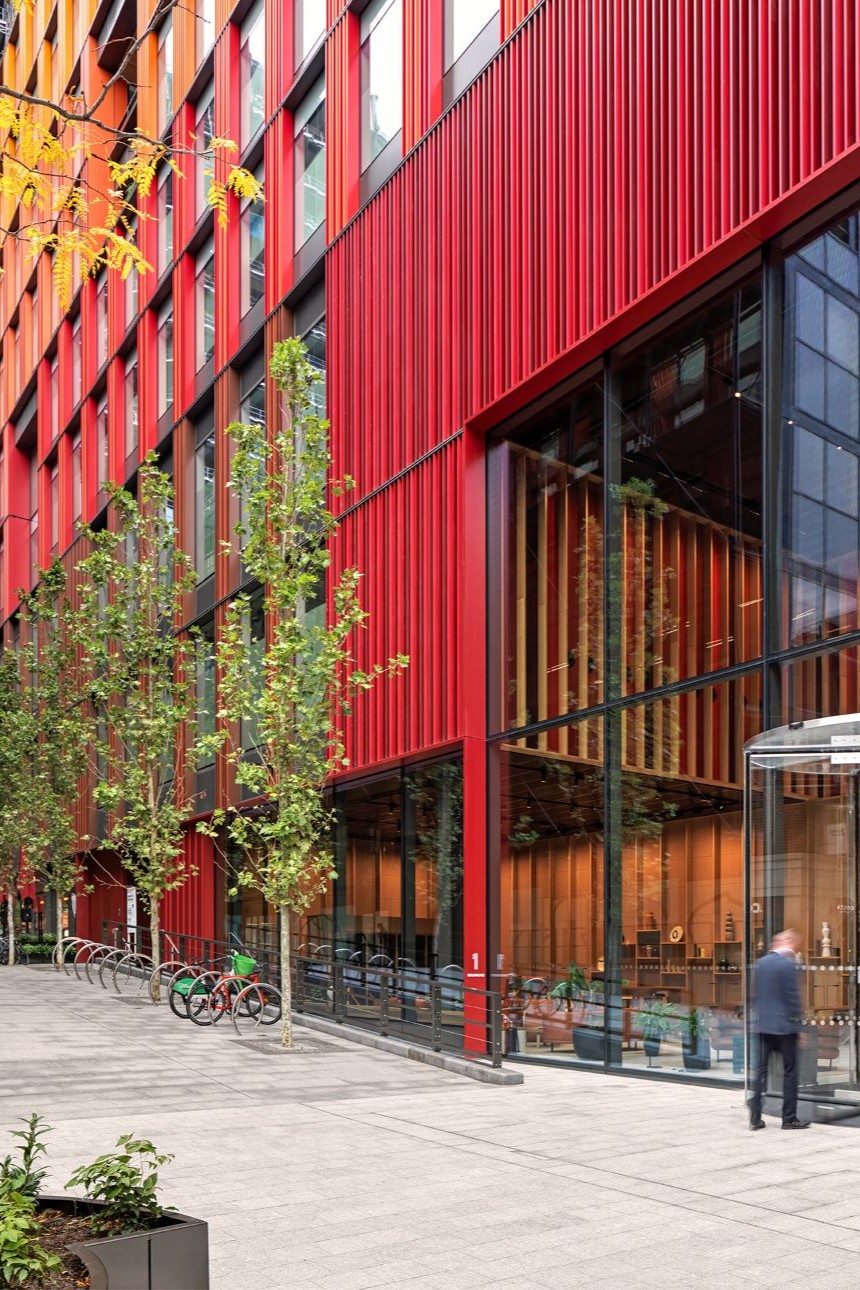
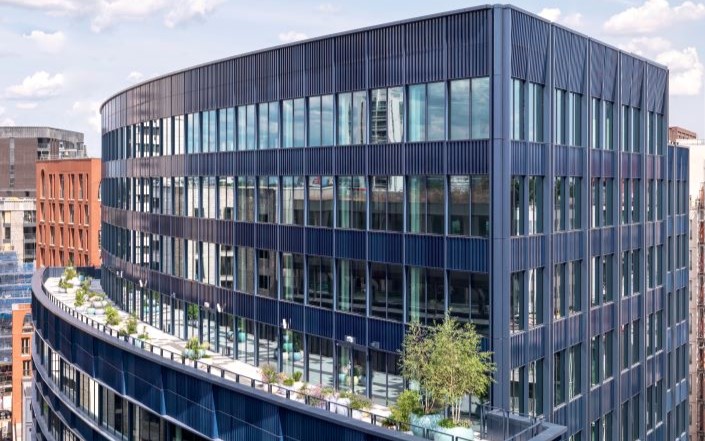
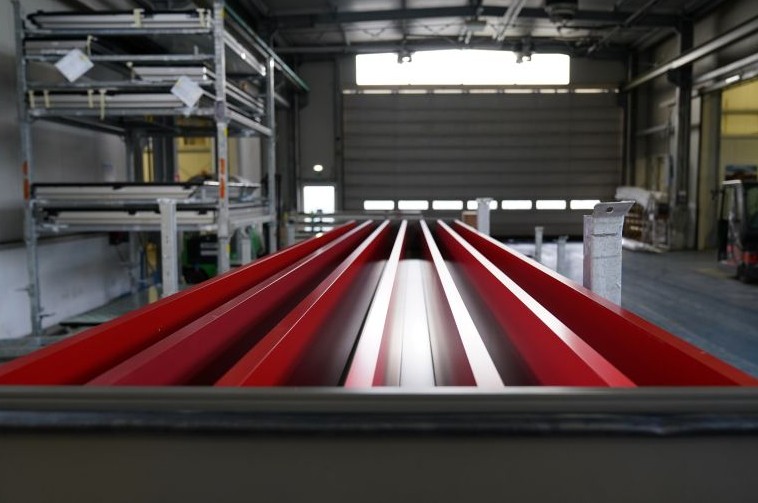
A distinctive element of the project are the spandrel units, characterized by the presence of vertical extruded aluminium fins, arranged at 150mm spacing between them and connected to the horizontal fins. These elements primarily contribute to the overall aesthetics but also allow for natural ventilation through them by using opening vents incorporated into the spandrel units. Special double-glazing units and high-density wool panels, enclosed by aluminium and steel sheets, are used to ensure durability and resistance.

Attention to functionality is also evident: the spandrel units conceal a cascaded downpipe system collecting and driving out the rainwater from the terraces. This is achieved through an integrated technical solution without aesthetic compromises.

The same applies to the active ventilation systems, which are connected to the back of the units and exchange air with the outside through bespoke plenums and louvers designed to be integrated into the spandrel units.

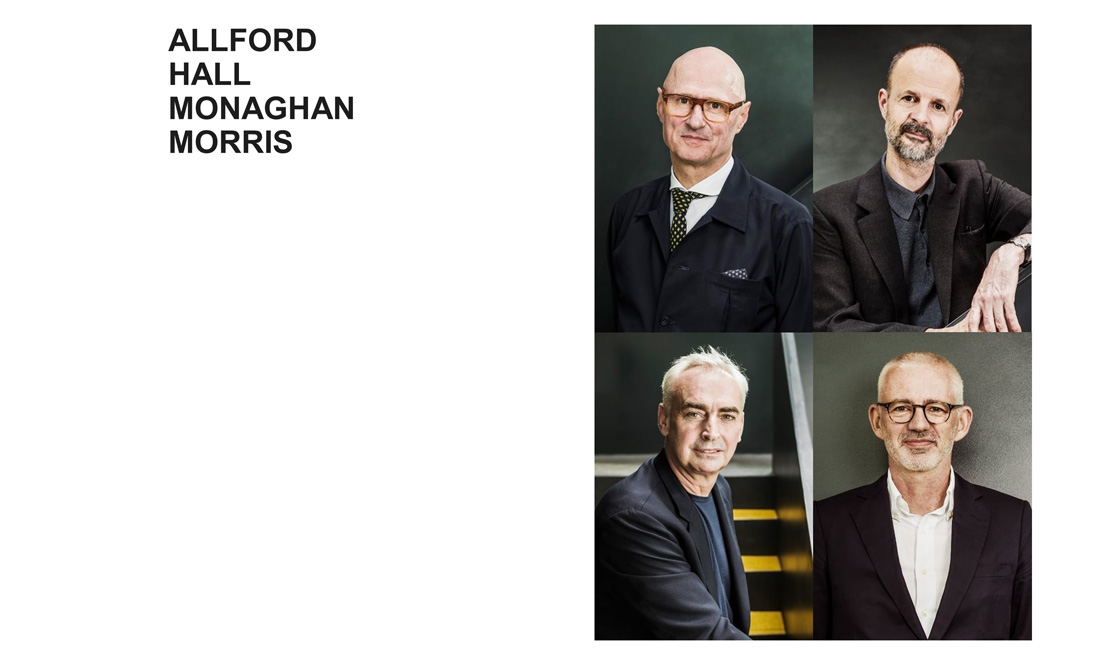
Allford Hall Monaghan Morris

From the founders’ earliest collaboration at university to now, more than 30 years later, Allford Hall Monaghan Morris has been based on a firm commitment to the design of buildings of economy, elegance and delight: buildings that reflect a continuing belief in the ability of outstanding architecture to last through time; buildings whose success is defined not just by the use for which they were commissioned, but by their ability to adapt to different uses; buildings that aim to make a positive and lasting contribution to the city around them; buildings that form the backdrop to the city and the theatre of everyday life, but that can be, in themselves, extraordinary.

The principal focus of the practice, therefore, has been the design of everyday buildings in the city. It is their belief that such buildings can, through intelligent design and a professional methodology, be made extraordinary.

More than 30 years on the field have strengthened their fundamental principles:

  • the work should be driven by a strategic approach to design which recognises that changes in circumstance and context, both during the design and during the life of the building, are inevitable
  • the work should address and enhance its relationship with both the public it serves and the public spaces that surround it, not least by bringing visual delight
  • the work should do more with less; set the best standards of design, regardless of cost or programme; and be open-minded, generous of spirit and ever optimistic
  • the focus is architecture – and the endless testing of the boundaries of its application.
1 Broadgate

1 Broadgate

The project priority is wellbeing and sustainability, with smart-enabled design to enhance the user experience providing optimal control and indoor conditions to tenants

Project Specs

  • Location: London
  • Client: British Land & GIC
  • Contractor: Sir Robert McAlpine
  • Year of completion: 2025

     
SEE ON STREETVIEW

Technology

1 Broadgate

SYSTEMS

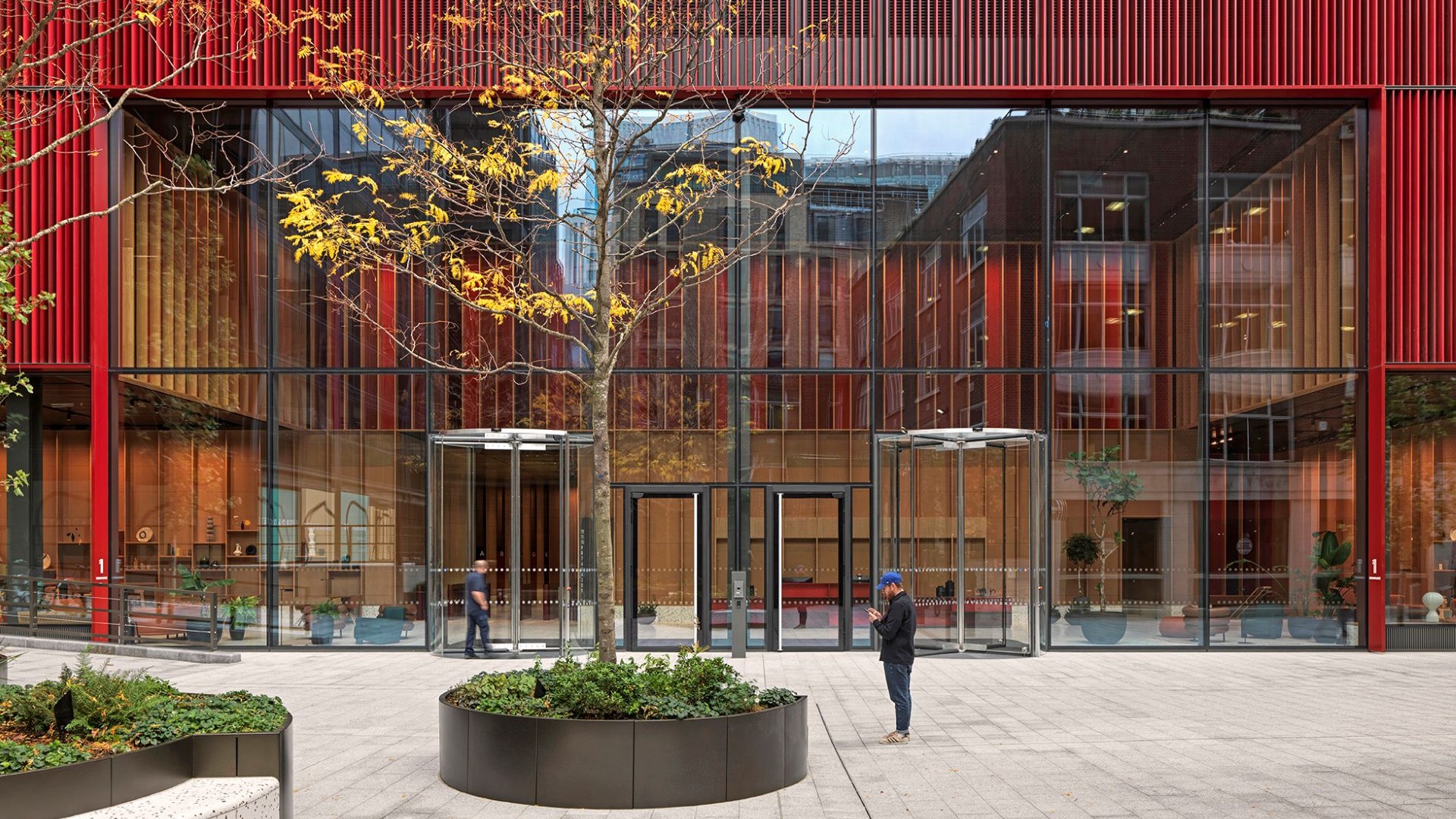
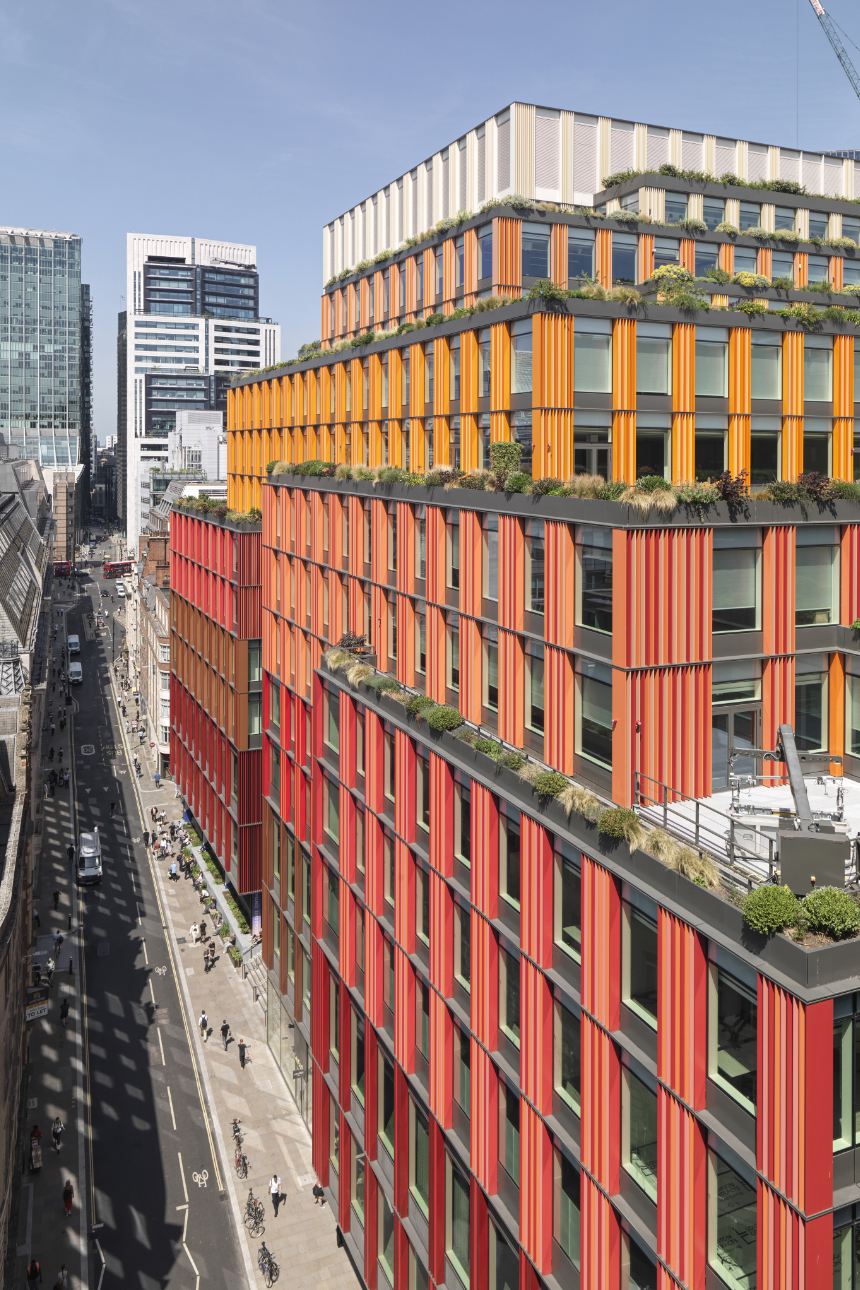
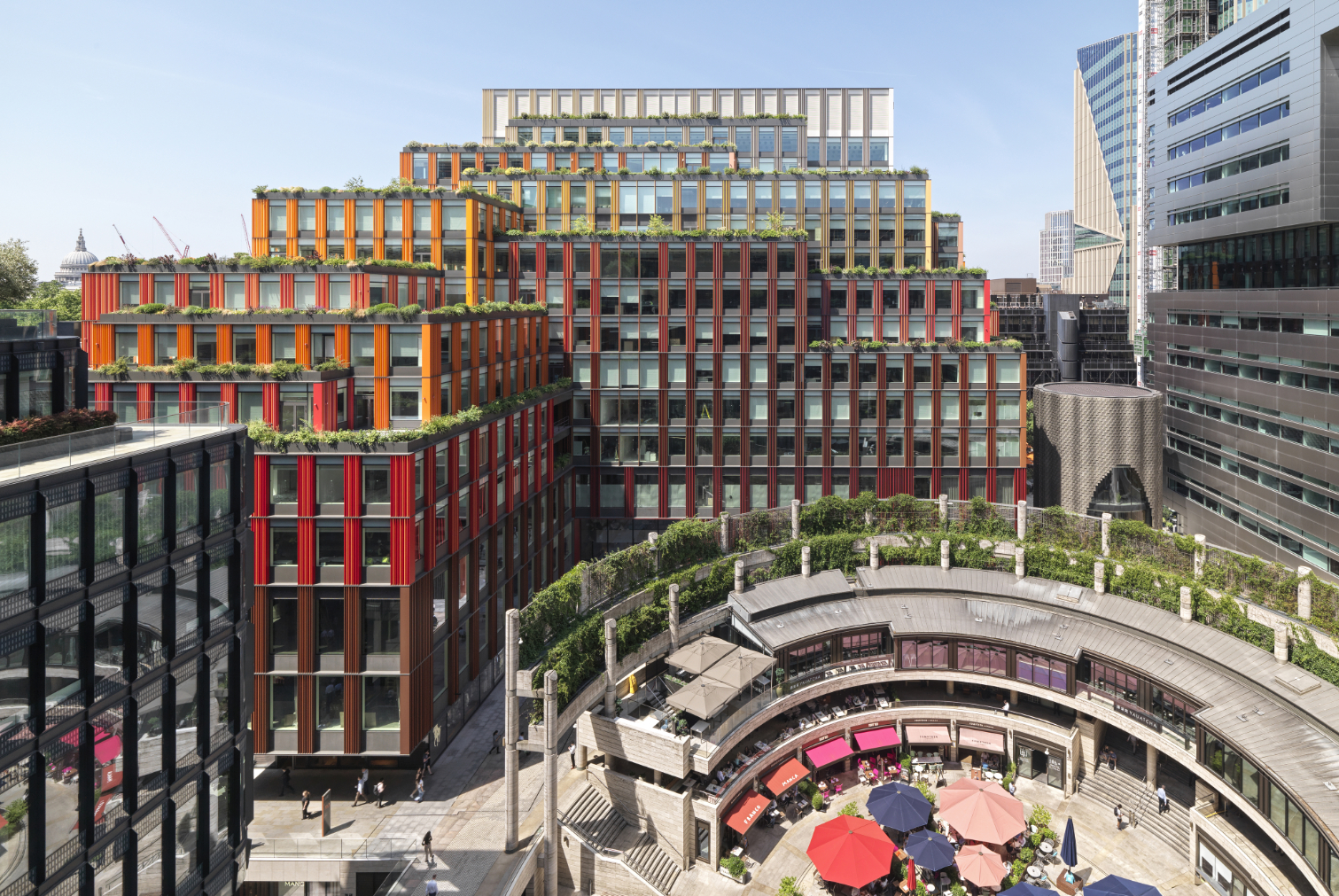
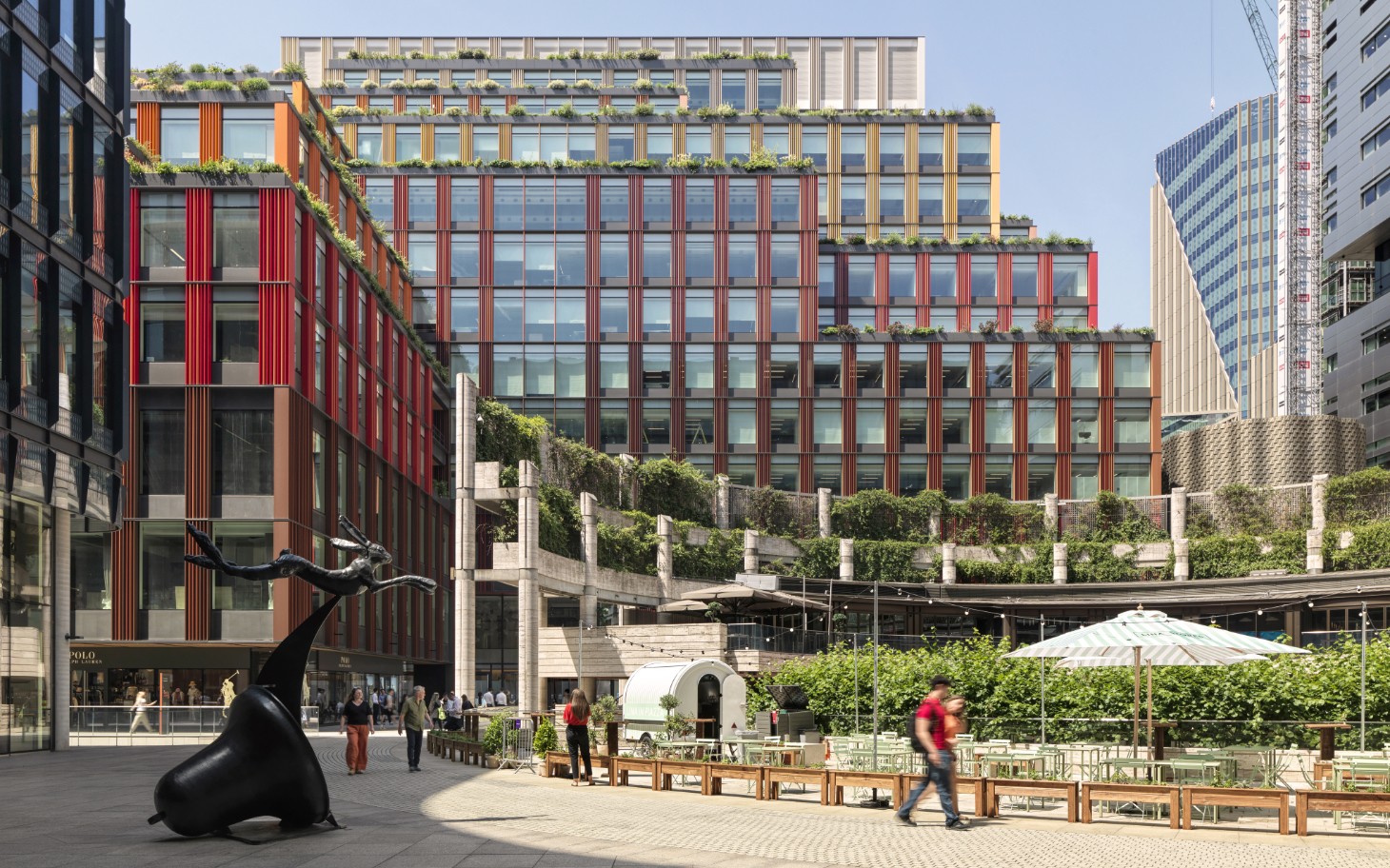
Complex units consisting of vision glazing alternating to spandrel units with external fins painted in 19 different shades, arranged in a specific order starting with darker tones at the bottom fading into lighter colours towards the top.
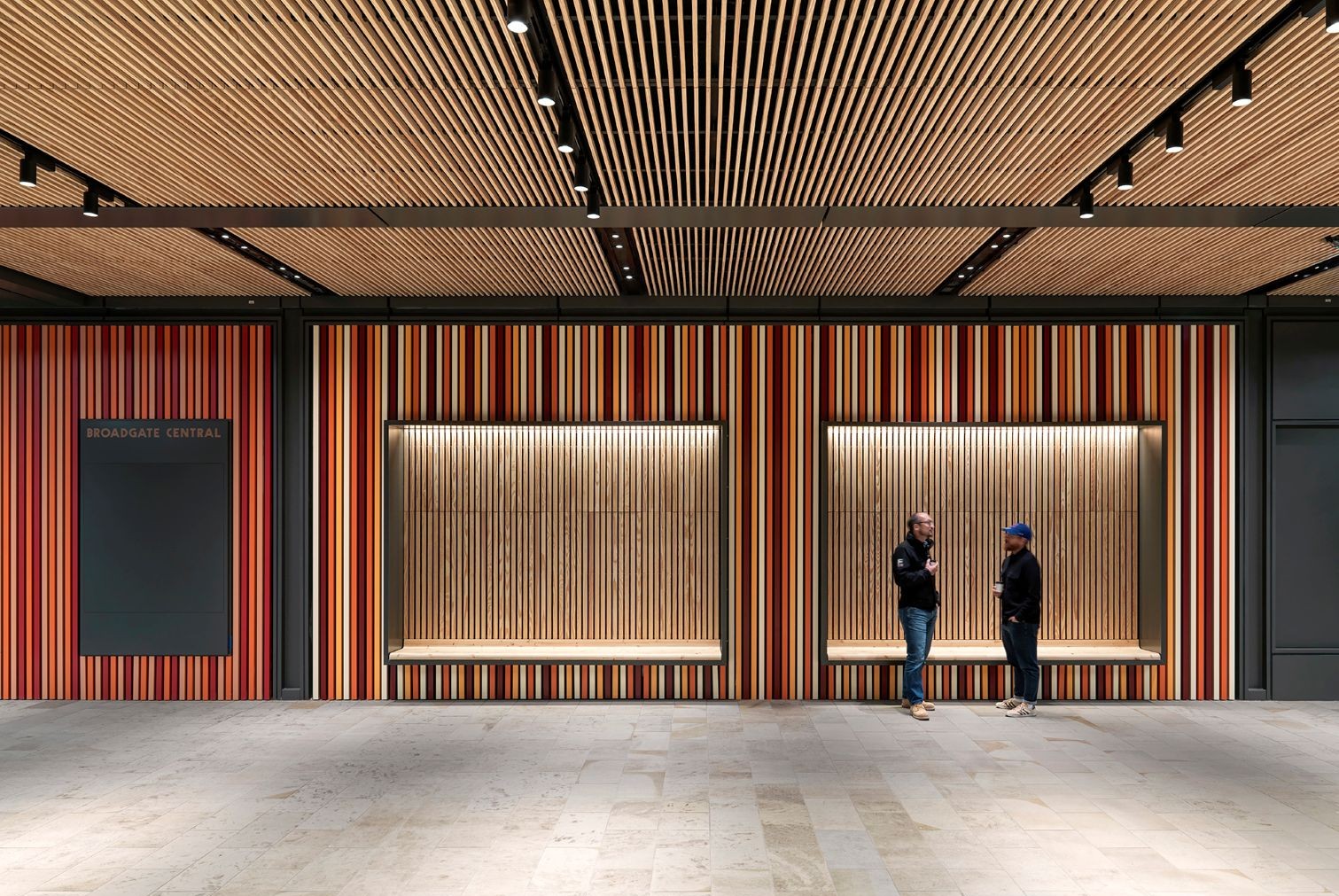
Stainless steel planters cladded with aluminium rainscreen panels, serving as parapets. Timber ceilings made of natural pine slats. Aluminium ceilings. Rainwater downpipes integrated into the spandrel façade.

Aluminium stick curtain wall and welded steel facade with carrier frame profiles, featuring double glazing and panels secured by a toggle system.
Free standing glazed balustrade. Ventilated facades in curved Moleanos stone and travertine. Curved GFRC fibre reinforced concrete ceilings. 

Designed by

Allford Hall Monaghan Morris

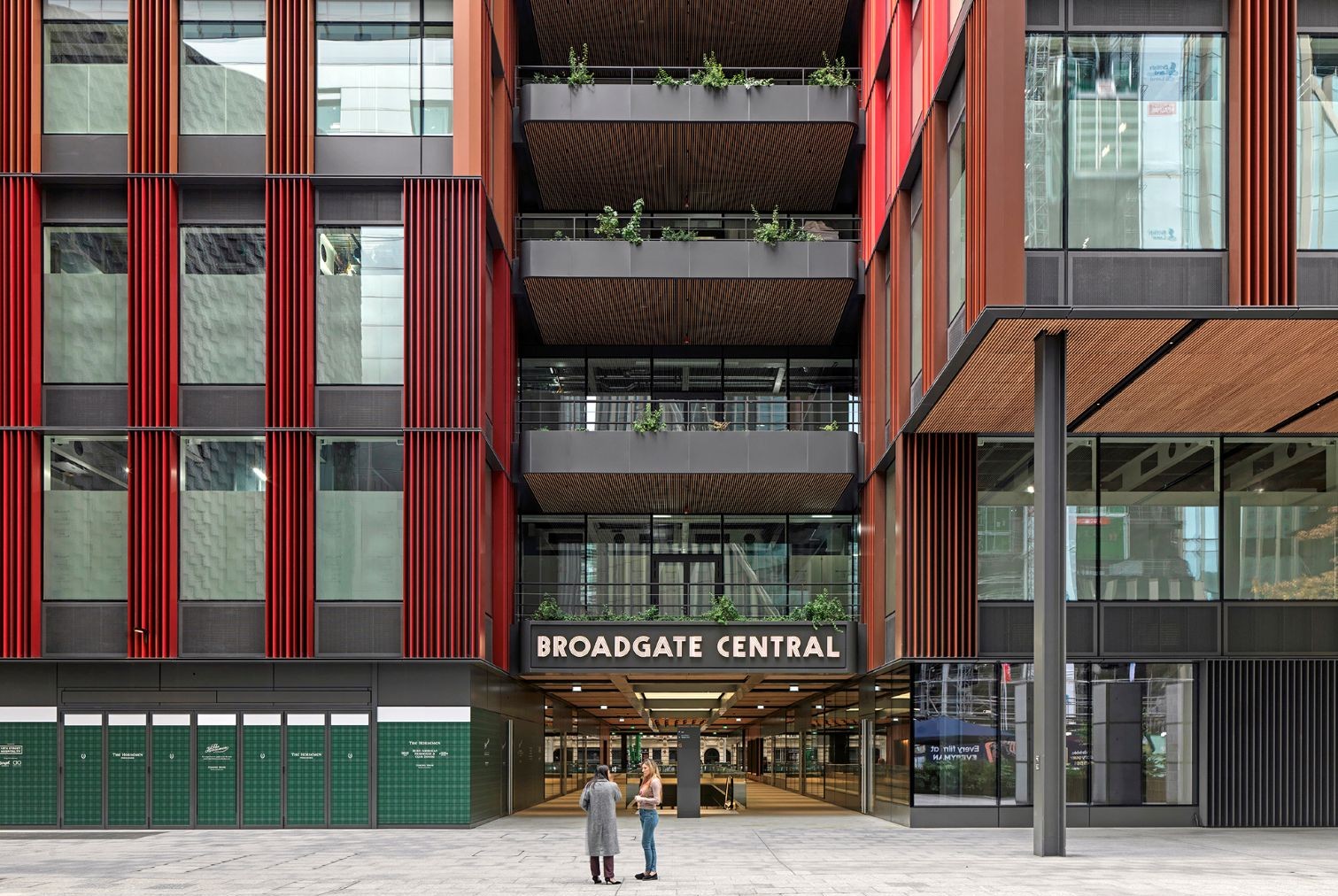
1 Broadgate is a major 14 storey office-led development located in the Southern part of the Broadgate campus, adjacent to Liverpool Street Station. It provides flexible accommodation for a mix of uses including 150,000 square feet of retail space arranged around a new retail arcade over four levels, and 400,000 square feet of new office space above. Lower level volumes pull apart to create entrances and retail arcades through the building, whilst defining its pedestrian edges; these also establish a form of retail podium on which the office uses are stacked. The multi-coloured, autumnal design is focussed on breaking down the perception of the scale of this development and incorporates generous terraces and balconies totalling to 45,000 sq ft of green space for the building’s users. The building integrates with the existing Broadgate Estate and 100 Liverpool Street to provide a seamless public thoroughfare from the station concourse to Finsbury Avenue Square.

The key objectives for the development were safeguarding efficiency, providing flexibility of use for future tenants, and ensuring that the client’s ambitious sustainability targets are met. A whole life carbon approach to design was adopted, including embodied carbon of construction down to the smallest detail, meaning that the building operates with minimal carbon emissions and with the lowest energy use possible.
The building envelope is developed around a ‘kit of parts’ applied in response to building uses, floor level, orientation, and envelope performance requirements, allowing the building to adapt and respond to future needs. The colours of the elevations are taken from the earthy and autumnal colours of the buildings in the surrounding area; the metal fins are coloured to express the building’s stacked volumes, gradually darkening from the base to the top.
The project features varying glazed areas and façade shading, raised sills, high light transmittance, and solar control to optimise daylight and solar gain. 
WindScored Platinum and BREEAM Outstanding building.

Photos

Charles Hosea